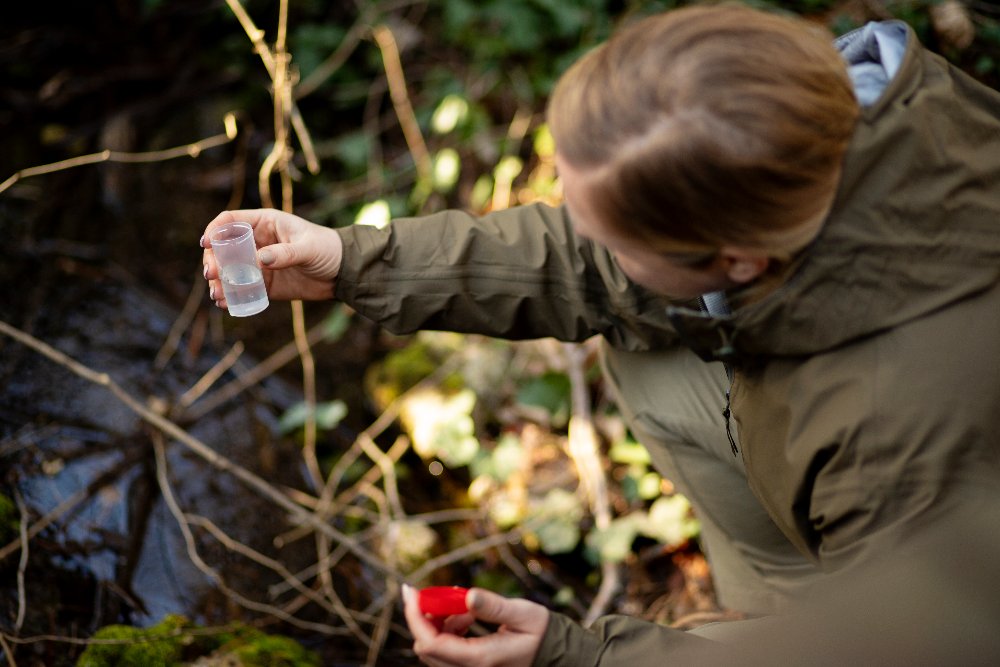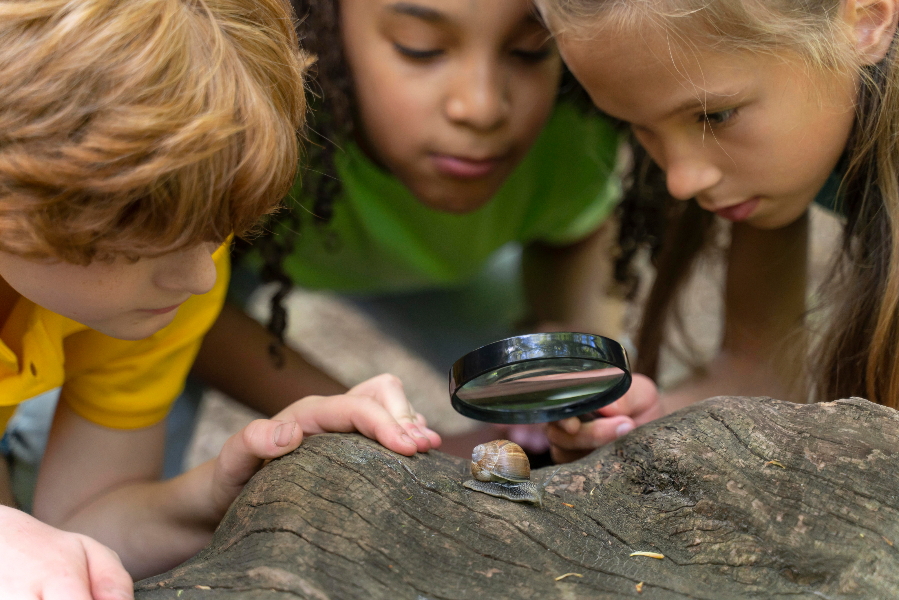


Environmental education in schools takes shape when a school addresses a specific environmental problem using data collected from its surroundings. It's not about simply carrying out sustainability activities, but rather about analyzing real-world situations within the school: waste management, energy consumption, the condition of green spaces, or the presence of biodiversity on the premises.
A genuine environmental education experience includes defining the problem, systematically recording information, and subsequent analysis in the classroom. Without data collection or integration with curriculum content, the intervention remains a one-off campaign without academic continuity. This type of experience should be included in the annual program and linked to... defined evaluation criteria
When environmental education is integrated into the annual curriculum and linked to defined evaluation criteria, it becomes part of the regular teaching process. The school ceases to be merely a space where environmental problems are explained and becomes an object of study with verifiable evidence.
1. What characterizes a real environmental education experience in an educational center
A genuine environmental education experience in a school is defined by the existence of a specific problem linked to the school environment itself. It doesn't stem from a general environmental theme, but rather from an identifiable situation within the school: excessive waste during recess, high electricity consumption, deterioration of a green space, or a lack of biodiversity in the playground. Defining the problem is the primary criterion that distinguishes a structured experience from a one-off activity.
The second element is the systematic collection of data. Students must record information under predefined categories: amount of waste generated, frequency of use of certain spaces, presence of species, or energy consumption during specific periods. Without organized records, there is no basis for analysis or decision-making.
The third characteristic is the subsequent analysis in the classroom. The collected data is compared, interpreted, and related to the curriculum content of the corresponding subject area. The work is not limited to describing what was observed, but rather transforms the information into well-founded conclusions.
Finally, a real-world experience generates an assessable product linked to evaluation criteria established in the curriculum. This could be a technical report, an environmental improvement proposal, or an evidence-based action plan. Without this curricular and assessable link, the intervention does not rise above the level of a supplementary activity.
2. Examples of real-world experiences in environmental education in educational centers
A common example is a waste reduction project within the school itself. The problem is defined through direct observation, and the amount of waste generated during recess or in classrooms is recorded over several weeks. Students classify the waste by type, analyze its frequency, and identify areas of greatest accumulation. Based on this data, improvement proposals are developed, and changes are evaluated after their implementation. This type of project allows for the integration of waste management, environmental responsibility, and data analysis into the curriculum.
Another common case is the study of biodiversity in the area surrounding the school. A specific zone is selected, such as a playground, garden, or nearby park, and an inventory of species observed at different times during the school year is compiled. The data is organized into comparative tables, and relationships between species presence and environmental characteristics are analyzed. The project may conclude with proposals for improving the biodiversity of the studied area.
A project focused on the school building's energy consumption can also be developed. Periods of peak consumption are recorded, associated habits are identified, and data is compared before and after corrective measures are implemented. This type of experience allows for working on sustainability using quantifiable information from the school itself.
Another example is the improvement of a green space within the school grounds. The initial condition of the area is analyzed, soil conditions and the presence of plant species are recorded, and an intervention is planned based on the collected data. Subsequent monitoring allows for verification of whether the measures taken produce observable changes.
In all cases, the experience includes defining the problem, systematically recording information, analyzing it in relation to curriculum content, and producing a final, assessable product. Without these elements, it cannot be considered a genuine environmental education experience in a school.
3. How to structure an environmental education experience so that it can be evaluated
The starting point is a specific problem within the school itself. The aim is not to "work on sustainability," but rather to analyze an identifiable situation: increased waste in a specific area, high electricity consumption in certain classrooms, or deterioration of a particular green space. The problem must be clearly defined in order to be measurable.
Once the problem is defined, the data to be collected is determined. It is necessary to specify variables: amount of waste generated per day, number of waste bins used, species present in a defined area, or consumption recorded over a specific period. These variables must correspond to the subject area's content and the assessment criteria established for the unit.
Next, the record is organized. The space is defined, the observation period is established, and a clear recording system is set. The record must allow for comparison of data between groups or between different points in the course. Without this prior organization, subsequent analysis will be imprecise.
The collected data is analyzed in the classroom. It is organized, compared, and interpreted in relation to the curriculum. The aim is not to describe what was observed, but to explain results and justify conclusions based on the information obtained.
The experience culminates in a product based on the collected data. This could be a technical report, an improvement proposal, or an action plan with subsequent follow-up. The evaluation focuses on the quality of the record, the consistency of the analysis, and the product's alignment with the criteria established in the program.
If there is no delimitation of the problem, defined variables, organized record and analysis linked to the curriculum, it cannot be considered a structured experience of environmental education in the center.
4. Observable results in real experiences of environmental education in educational centers
A structured environmental education experience generates measurable results within the school. The first indicator is the change in the recorded data. If the project focuses on waste reduction, quantities before and after the intervention should be compared. If it analyzes energy consumption, records from different periods should be reviewed. Without data comparison, there can be no discussion of results. The comparison of data before and after the intervention is the main indicator of the project's impact.
Another observable result is the improvement in the accuracy of the students' recording and analysis. Throughout the project, it is verified whether the categories used are more appropriate, whether the conclusions are based on concrete data, and whether there is a clear relationship between the information collected and the explanations offered. This progress forms part of the academic evidence.
Changes in the center's organization can also be detected when the proposed solutions are implemented. Relocation of containers, adjustments in consumption habits, or improvements to green spaces are verifiable results when they stem directly from the data analyzed during the project.
A key outcome is the integration of the work into the annual program. When the experience is linked to specific content and repeated in different courses or stages, it ceases to be an isolated intervention and becomes part of the center's regular operations.
In a real-world environmental education experience, results are not measured by participation or satisfaction, but by the existence of comparable data, well-founded conclusions, and verifiable changes in the school environment.
5. Common mistakes when planning environmental education experiences in educational centers
A common mistake is presenting an isolated activity without prior data collection as a structured experience. Organizing an environmental event or an information campaign does not constitute a project if there is no defined problem, specific variables, and systematic data recording. Without these elements, no measurable evidence is generated.
Another common mistake is failing to define the scope of the study. Working with overly broad objectives makes it impossible to measure results. If you don't specify what area is being analyzed, what period is being studied, and what indicators are being used, it's impossible to compare data or justify conclusions.
It is also common to focus the experience on intervention rather than analysis. Proposing improvements without having quantified the initial situation limits the academic value of the work. In environmental education, the proposal must be derived from data collected and analyzed in the classroom.
A significant error is failing to link the experience to the assessment criteria defined in the curriculum. If there is no correspondence between the work done and the subject matter, the project remains a supplementary activity with no curricular value.
Finally, evaluating only participation or the final presentation lowers academic rigor. Evaluation should consider the quality of the documentation, the coherence of the analysis, and the substantiation of the conclusions. Without these elements, the experience loses methodological consistency.
6. Conclusion
An environmental education experience in a school becomes valuable when it stems from a specific problem, incorporates systematic data recording, and is linked to content and evaluation criteria defined in the curriculum. Without a clearly defined object of study and subsequent analysis, the intervention remains a one-off activity without academic continuity.
The center can become a research space if it works with measurable indicators, compares results, and develops well-founded conclusions. The organized collection of information and its processing in the classroom allows for the generation of assessable evidence within the relevant subject area.
When the experience is planned, generates comparable data and is evaluated with defined criteria, environmental education is fully integrated into the center's programming and ceases to be a one-off intervention.
Frequently asked questions about environmental education in educational centers
A real-world environmental education experience in a school includes a clearly defined problem, systematic data collection, and an evaluable product linked to the curriculum. Without recording and analysis, it cannot be considered a structured project.
An environmental activity can be a one-off event and does not require continuity. A structured project includes defining the problem, outlining phases, systematically collecting information, conducting subsequent analysis, and integrating evaluation into the annual plan.
It must be linked to specific content within the subject area and to previously established assessment criteria. The experience must be planned within the corresponding unit and generate evidence that forms part of the regular assessment.
Quantifiable records related to the problem studied, comparative data analysis, and a final product based on the information obtained. The evidence must justify the conclusions and decisions made during the project.
Yes, provided the problem is appropriate for the students' level and the variables are clearly defined. Rigor depends not on age, but on the delimitation of the object of study and the organized recording of information.
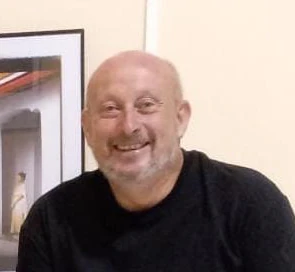
Antonio Pestana
Antonio Jesús Pestana Salido (Cabra, Córdoba, 1970) is an Andalusian ornithologist and nature photographer, specializing in birds and the interpretation of the Mediterranean landscape. From childhood, he has been involved in the study and observation of wildlife, and has spent decades exploring the natural areas of Andalusia, especially the Subbética region of Córdoba.
He is a nationally awarded nature photographer, winner of the first prize in the Carl Zeiss nature photography competition (4th edition) with a digiscoping image of a common crossbill, in addition to other recognitions in specialized bird photography competitions.
As a field ornithologist, he has participated in bird monitoring and conservation projects, especially for birds of prey and steppe birds, and has served as provincial coordinator in Córdoba for the Montagu's and hen harrier censuses. He is also president of the Abanto naturalist association, dedicated to the dissemination and conservation of natural heritage.
He is the author of several books on Iberian fauna and popular culture published by specialized publishers, including "Iberian birds in popular culture" and "Iberian diurnal birds of prey in popular culture," works that compile proverbs, beliefs and traditions related to birds in popular culture.
In addition to his work as an author and photographer, he develops outreach and environmental education activities, leading nature outings, giving bird photography workshops and collaborating with educational centers, associations and nature tourism projects.
She regularly works with schools, designing wildlife observation activities adapted for primary and secondary school students. She also collaborates with companies and associations on birdwatching tours, teaches nature photography courses, and participates in the design of natural areas.