

The wildlife and ecosystems near the school can be used as a teaching resource without the need to organize complex field trips. Most schools have nearby areas where it is possible to observe urban birds, insects, wild vegetation, or small habitats associated with green spaces. These environments allow students to explore biodiversity, relationships between species, and adaptation to the environment using real-world examples.
When the study of ecosystems is limited to textbooks, students learn definitions but don't analyze their own data. Observing common species in the schoolyard, recording the presence of insects in specific areas, or comparing areas with different vegetation provides concrete information that can be used in class. The difference lies not in the content, but in the source of the data.
To make the most of the local wildlife and ecosystems, it's essential to define what will be studied and how the information will be recorded. Without observation categories and a recording system, the activity loses its rigor. With prior planning, the school's immediate surroundings become the foundation for developing scientific content linked to the curriculum.
This work must be linked to specific content and evaluation criteria defined in the program.
1. What is meant by fauna and ecosystems near the school
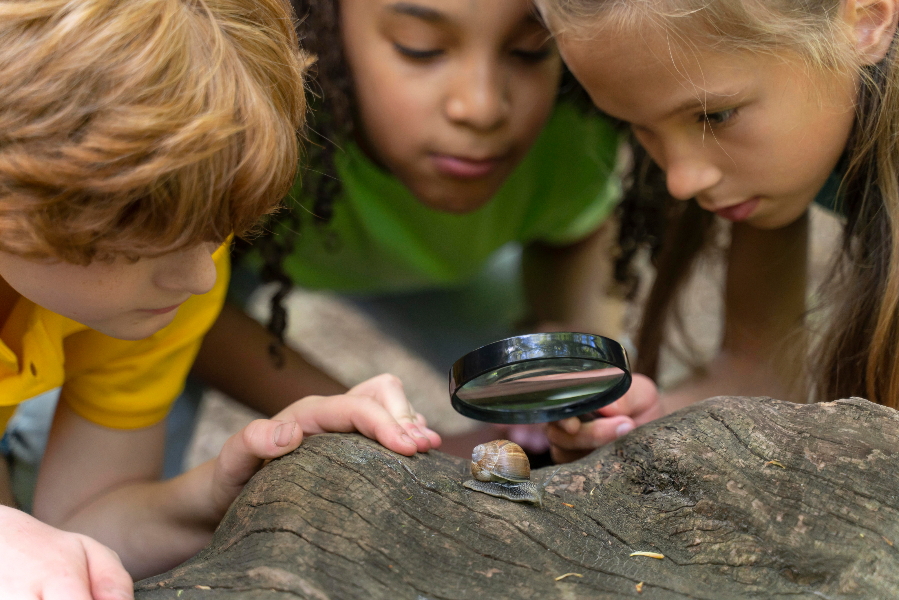
The fauna and ecosystems near the school include species and natural or semi-urban habitats that can be observed in the immediate vicinity of the school. They are not limited to nature reserves or protected parks. In urban areas, it is common to find birds such as sparrows or pigeons, insects associated with green spaces, small reptiles in sunny spots, and spontaneous vegetation in vacant lots and courtyards. These elements form part of urban ecosystems that can be studied using scientific methods.
A local ecosystem doesn't have to be large. It could be a municipal park, a garden, an open field, or even green spaces within the school itself. In these spaces, relationships are established between organisms and specific environmental conditions: water availability, soil type, human presence, and seasonal variation. Analyzing these factors allows us to explore concepts such as biodiversity, food chains, habitat, and adaptation to the environment.
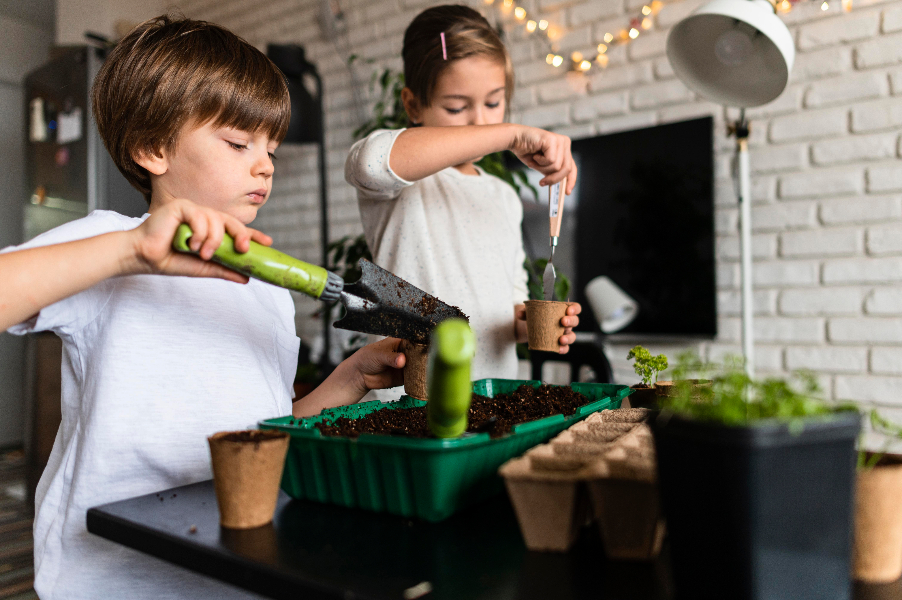
Microecosystems can also be identified within the school itself. Indoor gardens, corners with vegetation, walls covered in lichen, or areas with accumulated leaves create specific conditions that favor certain species. These spaces, although small, allow for the study of real ecological interactions without leaving the school grounds.
Precisely defining what constitutes fauna and ecosystems near the school avoids vague approaches and facilitates planning. When common species and observable areas are specified, the work ceases to be theoretical and becomes focused on the systematic collection of data related to the immediate environment.
2. Why study the fauna and ecosystems near the school?
Studying the fauna and ecosystems near the school allows for the analysis of real biodiversity without relying on distant examples. In most school environments, it is possible to identify urban birds, pollinating insects, spontaneous vegetation, or small habitats associated with green spaces. These elements allow for the study of concrete ecological relationships instead of being limited to theoretical frameworks.
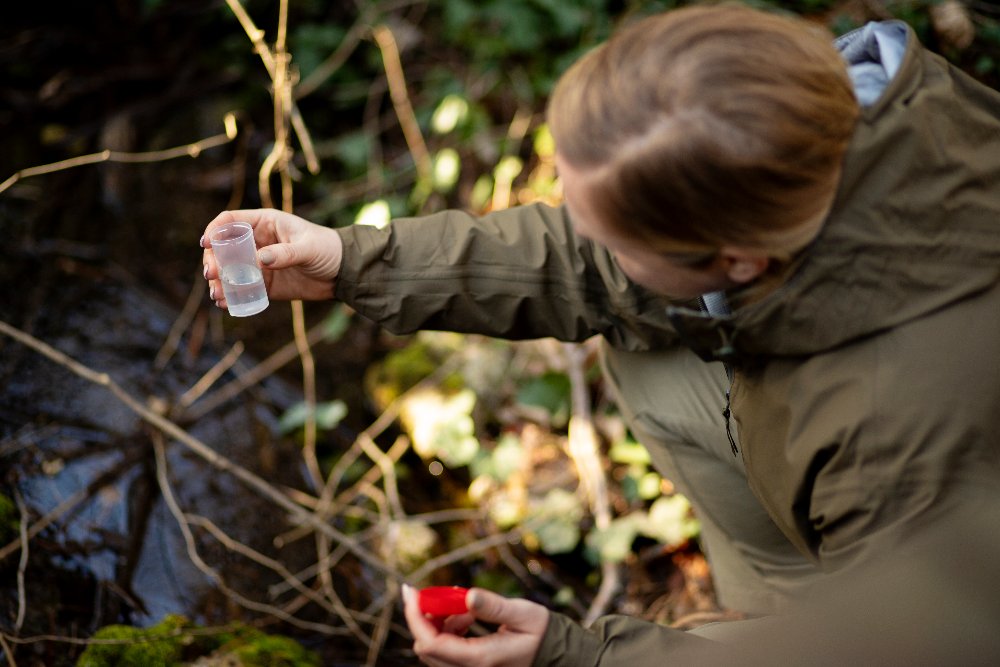
The immediate environment facilitates the systematic collection of data. Species observed in different areas can be recorded, areas with varying vegetation cover can be compared, and the presence of fauna can be analyzed in relation to human activity. This type of observation allows for the study of classification, adaptation to the environment, and trophic relationships based on firsthand information.
Furthermore, urban or peri-urban ecosystems show clear interactions between human activity and biodiversity, as outlined in the Environmental Education Program of the UNESCO In their reports on educational sustainability, analyzing waste accumulation, paved areas versus green spaces, or seasonal changes in species presence provides direct examples of environmental impact. This data allows for addressing topics such as ecological balance or human pressure without resorting to abstract cases.
Repeating observations in the same environment also improves the accuracy of the analysis. Because these spaces are accessible, periodic records can be made and results compared throughout the course. This continuity allows for the detection of variations and the consolidation of empirically based ecological concepts.
Studying the fauna and nearby ecosystems allows for the development of curricular content based on data obtained from the students' real environment.
3. How to identify fauna and ecosystems near the school
Identifying wildlife and ecosystems near a school requires systematic observation and predefined criteria. The first step is to define the study area. This could be the schoolyard, a nearby green space, an urban park, or a vacant lot. Defining the boundaries prevents scattered observations and allows for comparing data across different sessions.
Once the area has been defined, it is necessary to establish what will be recorded. In the case of fauna, this can include observed species, the approximate number of individuals, and
Detected behavior. In the ecosystem study, variables such as vegetation type, presence of water, shaded areas, degree of human intervention, and waste accumulation are recorded. Without clear categories, the information collected is often imprecise.
Identifying species does not require complex tools. Basic urban wildlife guides or classification apps can be helpful, provided the primary record is kept in writing. The goal is not to achieve advanced taxonomic accuracy, but rather to differentiate groups and relate them to the observed environment.
It is also advisable to make observations at different times of day or in different seasons. This allows for the detection of variations in the presence of certain species and the analysis of how environmental or human factors influence the biodiversity near the school.
When the identification of fauna and ecosystems is organized with spatial delimitation, recording categories, and repetition of observations, the immediate environment becomes a source of comparable data and not just a simple description of the landscape.
4. Practical proposals for working on fauna and ecosystems near the school in class
One initial proposal involves creating an inventory of urban wildlife in the school environment. A specific area is defined (playground, nearby park, or tree-lined street), and repeated observations are made over several sessions. Students record observed species, the approximate number of individuals, and environmental conditions (shade, vegetation, human presence). Using this data, a list of common species is compiled, and results are compared between different areas or time periods. This type of inventory allows students to work on biological classification, species frequency, and seasonal variation using their own data.
Another useful suggestion is to analyze microhabitats within the school grounds. Select areas with different characteristics: a garden, a damp corner, a paved area, or an area with spontaneous vegetation. Record which organisms appear in each area and relate their presence to basic environmental factors. This activity allows students to explore the concept of habitat without leaving the school premises.
The study of local food chains based on observed species can also be undertaken. Instead of using generic examples, students identify real organisms in their environment and propose plausible feeding relationships. Producers, consumers, and decomposers are studied based on their own observations.
A fourth proposal is to compare biodiversity and human pressure in two nearby areas. For example, a green area with vegetation versus an asphalted area or one with little vegetation cover. Species are recorded, environmental conditions are noted, and
Factors that explain differences are discussed. This comparison allows for the introduction of human impact using data collected by the students.
Finally, research on seasonal changes can be conducted. Records are taken repeatedly in the same area at different times of the year to observe variations in the presence of fauna, flowering, or insect activity. This continuity allows for the study of adaptation to the environment and temporal variation using comparable data.
5. How to integrate the study of nearby fauna and ecosystems into the annual program
The study of fauna and ecosystems near the school must be clearly defined in the annual plan, including specific content, activities, and evaluation criteria. It cannot depend on a single outing or impromptu observation. If local biodiversity is the focus, the plan must specify which species will be identified, which environmental variables will be recorded, and what final product will be created from the collected data.
Integration begins by linking fieldwork to a specific content area. For example, in the study of ecosystems, a sequence can be planned that includes direct observation in the immediate environment, systematic recording of species, and subsequent analysis in the classroom. This sequence should be reflected in the corresponding teaching unit. The records obtained should become evidence of learning integrated into the assessment of the subject area.
Evaluation criteria must be defined before the activity begins. If the objective is to identify common urban wildlife, the accuracy of the recording and the correct basic classification will be assessed. If the objective is to analyze human impact, the ability to relate observed data to specific environmental factors will be evaluated. Without prior criteria, the activity loses curricular relevance.
Continuity over time strengthens integration. Repeating data collection in the same space at different times during the course allows for comparison of results and the analysis of seasonal variations. This data can be used as a basis for reports, graphs, or oral presentations related to the subject area's content.
When the study of local fauna and ecosystems is part of the annual curriculum, it generates measurable evidence and is integrated into the regular coursework. If it is not planned with defined content and criteria, it remains a supplementary activity without academic weight.
6. Common mistakes when working with fauna and ecosystems near the school
A common mistake is observing the environment without first defining what will be recorded. Going out into the yard or a nearby park without clear categories leads to imprecise notes that cannot be analyzed later. Without defined variables—species, approximate number of individuals, type of vegetation, or degree of human intervention—the activity is limited to a superficial description.
Another common mistake is failing to define the study area. Analyzing overly broad areas without reference points makes it impossible to compare data between sessions. This lack of definition reduces the possibility of establishing comparable records and hinders monitoring throughout the course.
It is also common to study local wildlife solely through visual identification, without relating it to curriculum content. Naming species without linking them to concepts such as habitat, adaptation, or trophic relationships turns the activity into a descriptive exercise. Academic value emerges when the collected data is used to explain ecological processes.
Another mistake is not repeating observations at different times during the course. Without continuity, seasonal variations cannot be detected, nor can changes in species presence be analyzed. Single observations limit the study of ecosystems to a static snapshot of the environment.
Finally, failing to integrate fieldwork data into subsequent classroom activities reduces the impact of the fieldwork. If the data is not transformed into reports, comparisons, or analyses linked to assessment criteria, the study of local fauna and ecosystems loses curricular value.
7. Conclusion
Studying wildlife and ecosystems near the school allows for the development of content related to biodiversity, ecological relationships, and human impact, based on data collected in the immediate environment. For this work to have academic value, it must be planned within the annual curriculum, include the delimitation of the study area, and involve the systematic recording of species and environmental variables.
Learning depends not on the chosen environment, but on the procedure applied. Without defined categories of observation and without subsequent analysis in the classroom, the activity is limited to a description of the landscape. When the collected data is used to
Whether classifying species, comparing areas, or justifying conclusions linked to evaluation criteria, the immediate environment becomes a source of learning evidence.
The difference between observing and studying an ecosystem lies in the recording and subsequent use of the information. When fieldwork generates comparable data and measurable products linked to evaluation criteria, the study of the local environment is fully integrated into the annual planning.
Frequently asked questions about wildlife and ecosystems near the school
Yes. The courtyards and green spaces of the center allow for the study of microecosystems without the need for external travel. The key is to define the space and record information according to specific criteria.
In urban environments, birds such as sparrows and pigeons are common, as are insects associated with vegetation and small invertebrates in damp or shaded areas. Basic identification allows for classification and ecological relationships without the need for complex inventories.
Before the observation, it is necessary to define which species or groups will be recorded, which environmental variables will be measured, and how the information will be structured. Using tables or clearly defined sections facilitates subsequent analysis in the classroom.
Yes. Direct observation, spatial delimitation, and structured written records are sufficient for analyzing urban or peri-urban ecosystems. Rigor depends on the method applied, not the equipment available.

Antonio Pestana
Antonio Jesús Pestana Salido (Cabra, Córdoba, 1970) es ornitólogo y fotógrafo de naturaleza andaluz, especializado en aves y en la interpretación del paisaje mediterráneo. Desde niño ha estado vinculado al estudio y observación de la fauna, y lleva décadas recorriendo los espacios naturales de Andalucía, especialmente la Subbética cordobesa.
Es fotógrafo de naturaleza premiado a nivel nacional, ganador del primer premio del concurso de fotografía de naturaleza Carl Zeiss (IV edición) con una imagen de digiscoping de piquituerto común, además de otros reconocimientos en concursos especializados de fotografía de aves.
Como ornitólogo de campo ha participado en proyectos de seguimiento y conservación de aves, especialmente rapaces y aves esteparias, y ha sido coordinador provincial en Córdoba de los censos de aguilucho pálido y aguilucho cenizo. También es presidente de la asociación naturalista Abanto, dedicada a la divulgación y conservación del patrimonio natural.
Es autor de varios libros sobre fauna ibérica y cultura popular publicados por editoriales especializadas, entre ellos “Las aves ibéricas en la cultura popular” y “Las rapaces diurnas ibéricas en la cultura popular”, obras que recopilan refranes, creencias y tradiciones relacionadas con las aves en la cultura popular.
Además de su trabajo como autor y fotógrafo, desarrolla actividades de divulgación y educación ambiental, guiando salidas de naturaleza, impartiendo talleres de fotografía de aves y colaborando con centros educativos, asociaciones y proyectos de turismo de naturaleza.
She regularly works with schools, designing wildlife observation activities adapted for primary and secondary school students. She also collaborates with companies and associations on birdwatching tours, teaches nature photography courses, and participates in the design of natural areas.