

Birdwatching tourism: what it is, how it works and why it's growing
Birdwatching tourism is a way of traveling in which birds serve as a guiding thread for exploring a region. It's not just about "seeing birds," but about learning to read the landscape. For example, understanding why certain species appear in a lagoon in winter, how birds of prey take advantage of air currents in a mountain range, or how bird activity changes depending on the time of day, the season, and the type of habitat.
At a time when many travelers are seeking less crowded and more nature-oriented activities, birdwatching offers a different way to experience the countryside. It requires slowing down, keeping quiet, noticing subtle signs, and accepting that in nature, things don't always happen when you want them to.
In this article we will see what ornithological tourism is, how a bird watching trip works, how it differs from birdwatching and bird photography, and why it has become a useful proposal for natural spaces, rural areas and travelers looking for carefully planned, uncrowded and well-interpreted field trips.
What is birdwatching tourism?
Birdwatching is a type of nature tourism focused on observing wild birds in their natural habitat. It can be practiced in wetlands, mountain ranges, forests, countryside, agricultural areas, protected spaces, and even in places very close to towns and cities, provided there is natural interest and the wildlife is observed without disturbing it.
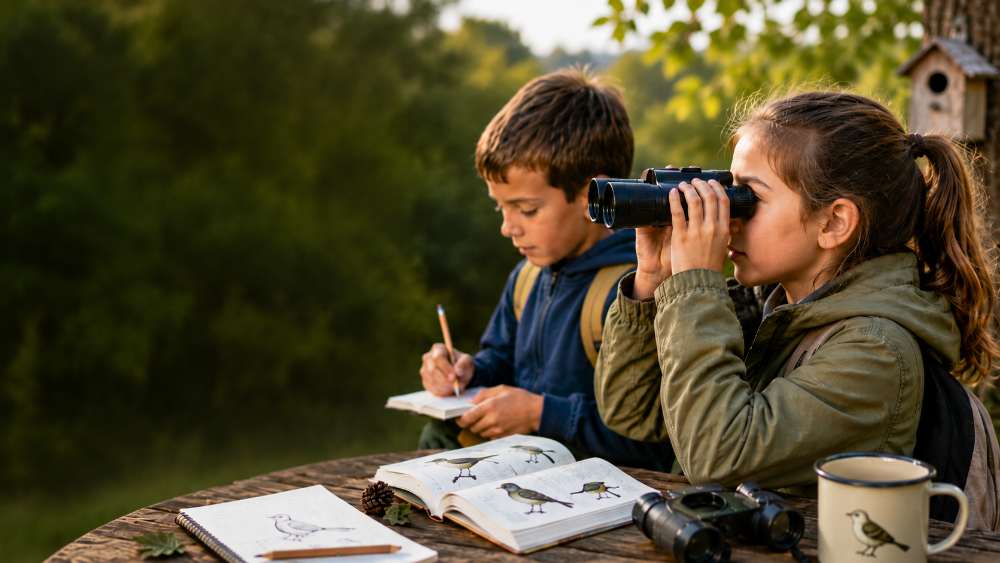
The idea is simple: visit a place where birds are the main attraction, observe them from a distance, and learn to interpret what's happening around you. Sometimes binoculars and a bird guide are all you need; other times, you'll use a spotting scope, a camera, or the assistance of a specialized guide who knows the area well.
One common mistake is thinking that a birdwatching route is only worthwhile if rare species appear. In reality, many interesting outings begin with common birds: herons at a lagoon, bee-eaters in the countryside, vultures perched on a cliff, or small passerines moving through the vegetation. The valuable part isn't just identifying them, but understanding why they are there, how they behave, and what they tell us about the state of the landscape.
That's why birdwatching isn't just for experts. It also works really well as a first experience for people who want to connect with nature in a different way: without rushing, with attention, and with a better understanding of what happens in each habitat.
Do you want to experience birdwatching tourism?
Now that you know what birdwatching tourism is all about, we invite you to discover our guided tours in Andalusia and experience it firsthand.
Why is birdwatching tourism growing?
Birdwatching tourism is gaining popularity because it aligns with a more leisurely and attentive approach to travel. More and more people want to move beyond simply arriving at a location, snapping a quick photo, and moving on. They seek to understand what they are seeing: why a wetland teems with birds in winter, the role traditional crops play in the presence of certain species, or why a mountain range might be an excellent spot for observing birds of prey.
Greater interest in nature and peaceful travel
Birdwatching doesn't work in a hurry. You have to wait, be silent, look at the same spot several times, and learn to recognize small signs: a song that betrays a hidden species, a shadow crossing a hillside, or a group of birds resting on a sheet of water during migration.
That pause is precisely part of the appeal. For many people, a birdwatching tour is a way to enjoy the countryside without crowds, rigid schedules, and the feeling of rushing through places.
Seeking more authentic experiences
A birdwatching outing allows you to discover a place through details that aren't always apparent on a conventional tourist visit. You don't just look at the bird, but at the landscape that makes it possible: the wetland that provides it refuge, the countryside where it feeds, the riparian forest where it breeds, or the agricultural area that still retains hedgerows, field boundaries, and patches of crops.
This understanding of the environment makes the experience more complete. The visitor doesn't just leave with a list of species, but with a clearer idea of how that territory functions and why it's worth conserving.
Increased interest in bird photography
The growth of nature photography has also boosted this type of tourism. Many enthusiasts travel in search of specific birds, good lighting conditions, natural behaviors, or places where they can photograph wildlife without intruding on its space.
This has given greater visibility to birdwatching routes and created new opportunities for guides, rural accommodations, photographic hides, natural spaces and companies specializing in wildlife observation.
The value of birdwatching tourism for rural areas
Birdwatching tourism can be an interesting opportunity for rural areas when it is organized strategically. It attracts visitors outside of peak seasons, helps to better distribute tourist activity, and showcases landscapes that are often overlooked by traditional tourist routes.
A dehesa (pastureland), a cereal-growing countryside, a seasonal lagoon, or a nearby mountain range can become very attractive resources for those seeking to observe birds and explore the area at a leisurely pace. The key is to do so without turning the wildlife into a mere attraction, but rather as a way to discover the natural value of the place and support the local economy.
How a birdwatching tourism experience works
A good birdwatching experience begins before you even set foot in the countryside. You have to choose the location, check the time of year, and be clear about which birds you can expect to see. A spring outing, with many species breeding or marking their territory, is nothing like a winter visit to a lagoon teeming with ducks, waders, or herons.
Choosing the destination and the time of year
The season largely determines the route. There are resident birds that stay all year round, summer species that arrive in spring and remain during the warmer months, migratory birds that are only seen for a few weeks, and wintering birds that take advantage of wetlands, fields, and open spaces when temperatures drop.
Therefore, a birdwatching route shouldn't be planned haphazardly. It's important to consider the habitat, the weather, peak activity times, and the usual presence of species in the area. Sometimes getting up early pays off; other times, waiting until late afternoon completely changes the experience.
Bird watching with a specialized guide
A specialized guide does more than just help locate birds. Their true value lies in interpreting what is happening: why a bird of prey is using a particular slope, how to distinguish between two similar species, what a group of birds taking flight indicates, or when it is best to leave so as not to disturb them.
On a guided outing, beginners can learn much more in less time, because the focus isn't just on spotting species, but on understanding what's happening around them. Furthermore, a good guide knows the limits: they know how to maintain distance, avoid sensitive areas, and adapt the route if the wildlife or the day's conditions require it.
Use of binoculars, telescope and field equipment
To begin, you don't need professional equipment. Comfortable binoculars, appropriate clothing, hiking boots, and some water are usually enough to enjoy your first outing. A simple bird guide or a birding app can also be helpful, but don't turn the trip into a race to identify every bird.
On more specialized routes, a spotting scope is very useful for observing waterfowl, distant birds of prey, or species in open areas without needing to get closer. The idea isn't to have more equipment, but to use the right gear to see better and disturb less.
Respect for wildlife and the environment
Birdwatching tourism only makes sense if it's practiced responsibly. Observing birds doesn't mean getting as close as possible, provoking flights, indiscriminately repeating songs, or entering sensitive areas to get a closer photo.
The priority is that the birds continue doing what they were doing: feeding, resting, breeding, or moving around without changing their behavior due to our presence. Maintaining distance, staying on designated trails, speaking softly, and following the guide's instructions are basic rules to ensure a positive experience for visitors and a safe one for the wildlife.
What types of birds can be observed on a birdwatching route
The types of birds you can see on a birdwatching route depend on the landscape, the time of year, and the time of day. It's not the same to explore an open countryside at dawn as it is to visit a wetland in winter or hike through a mountain range in search of soaring birds.
Before choosing a route, it is advisable to know which groups of birds are most common in each environment and what each one can contribute to the experience.
Birds of prey
Birds of prey are often one of the main attractions for birdwatching tourism. In mountain ranges, cliffs, meadows, and open areas, it is possible to observe species that take advantage of air currents to glide, search for food, or move between foraging areas.
Vultures, eagles, kites, kestrels, and buzzards offer a clear understanding of the relationship between topography, wind, food availability, and habitat conservation. Often, you don't need to be close to them to enjoy them: with binoculars or a telescope, you can observe their silhouettes, flight patterns, and behavior without disturbing them.
Steppe birds
Steppe birds are linked to open fields, cereal-growing areas, pastures, and traditional agricultural landscapes. They are very interesting species, although not always easy to spot, because many are well camouflaged and depend on large, relatively undisturbed spaces.
Great bustards, little bustards, stone-curlews, sandgrouse, and harriers reveal the natural value of landscapes that at first glance may seem simple. A route focused on steppe birds helps to see the plains, fallow fields, field margins, and extensive crops in a new light.
Waterfowl
Wetlands, lagoons, reservoirs, marshes, and riverbanks are particularly rewarding places for beginners in birdwatching. They usually offer good visibility and a wide variety of species, especially in winter and during migration periods.
Herons, flamingos, ducks, coots, waders, grebes, and cormorants offer a wide range of observational behaviors: feeding, resting, group flights, courtship displays, territorial disputes, and movements between bodies of water. With a spotting scope, these types of routes can be very comfortable, even for groups of beginners.
Forest and mountain birds
In forests, mountains, and scrubland, birdwatching tends to be more leisurely. Many birds move through the vegetation, are first detected by their song, or appear only for a few seconds. Precisely for this reason, these routes are excellent for learning to listen and interpret their signs.
Great tits, blue tits, nuthatches, warblers, finches, woodpeckers, and other rock-dwelling birds can all be part of these types of outings. In mountainous areas, it is also common to combine the observation of small birds with birds of prey, corvids, and species adapted to cliffs, pine forests, holm oak groves, or steep slopes.
Migratory birds
Migratory birds add a special interest to many birdwatching routes. Some species only appear for a few weeks a year, in spring or autumn, when they use certain wetlands, coasts, fields, or mountain ranges as stopover, resting, or feeding grounds.
Observing migration helps us understand that birds don't live in isolation in a single place. Many connect distant territories and depend on a network of well-preserved habitats. That's why a stop at a lagoon, a flock crossing the sky, or the arrival of the first summer species can transform a simple outing into a memorable experience.
Difference between ornithological tourism, birdwatching and bird photography
Although often used interchangeably, birdwatching, bird tourism, and bird photography don't have exactly the same focus. The main difference lies in the motivation: traveling to explore a region through its birds, observing them as a hobby, or seeking a specific image.
Birdwatching tourism is the broadest concept. It involves traveling to a place of natural interest to observe birds, explore the area, and experience the landscape firsthand. It can include guided tours, visits to wetlands, outings to protected areas, group activities, stays in rural accommodations, or other options. environmental education.
Birdwatching focuses primarily on observing birds as a hobby. Those who practice it typically seek to identify species, recognize songs, compare behaviors, and record what they see during the outing. It can be done as part of a trip, but also in an urban park, a greenway, a nearby riverbank, or any everyday environment where birds are present.
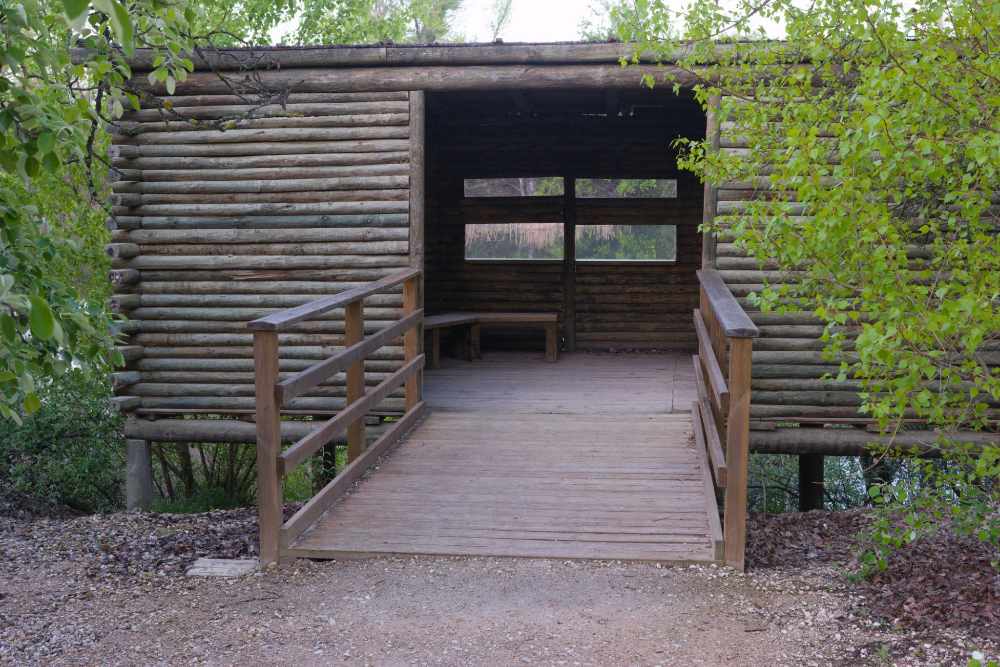
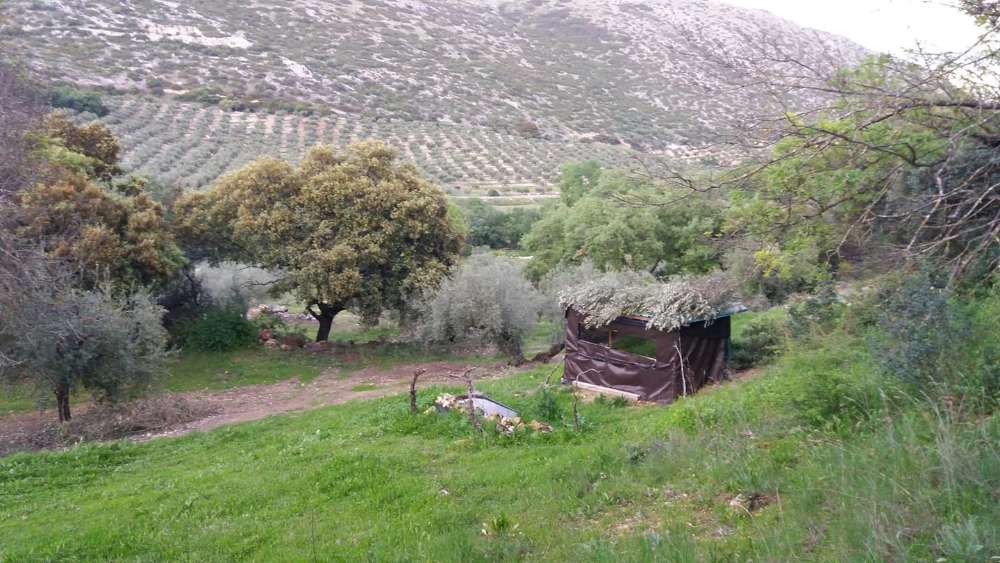
Bird photography prioritizes visual appeal. The goal is usually to capture a good image, carefully considering the light, background, distance, and timing of the behavior. Sometimes it's done while hiking, but also from photographic hides designed to observe and photograph wildlife without disturbing its natural activity.
In practice, these three approaches to birdwatching are often combined. A person might start with a simple birdwatching tour, then discover an interest in identifying species, and eventually seek out more specific outings to photograph birds of prey, waterfowl, or woodland species.
What does a person need to get started in birdwatching tourism?
To get started in birdwatching tourism, you don't need to be a bird expert or be able to identify every species at first glance. Many people discover this activity on a simple guided tour, observing common birds and learning something basic but important: noticing details that usually go unnoticed.
It's best to start with realistic expectations. The goal isn't to see many species in one morning or to return with an endless list, but to enjoy the process: observing calmly, distinguishing behaviors, asking questions, and understanding why each bird appears in a specific place.
Recommended basic materials
For a first outing, simply bring what you need to be comfortable and observe without getting too close. A pair of manageable binoculars, clothing appropriate for the weather, suitable footwear for walking in the countryside, water, and protection from the sun, cold, or wind are usually sufficient.
It can also be helpful to carry a small notebook or use an identification app, but don't get too hung up on writing everything down. At first, it's better to carefully observe three or four species, noting their size, flight patterns, colors, and behavior, rather than trying to name everything that moves.
Required prior knowledge
You don't need advanced knowledge to enjoy a birdwatching tour. However, it's helpful to know some basics: birds change with the seasons, each habitat favors different species, and maintaining a safe distance is essential for responsible birdwatching.
Much of the learning happens in the field. Watching a raptor glide, comparing various waterfowl on a lagoon, or listening to different songs on a riverbank is often much more useful than arriving with too much prior theory.
Tips for a first outing
For a first experience, it's best to choose an easy route with good visibility and relatively easy-to-spot species. Wetlands with observatories, viewpoints, greenways, open countryside, or short walks through natural areas usually work very well.
The best approach is to take your time, ask questions when you have any doubts, move discreetly, and accept that wildlife doesn't appear on demand. Some days will be more active than others; that's part of the charm. Each outing depends on the light, the time of day, the wind, the season, and the birds' natural behavior.
Where to practice birdwatching tourism
Birdwatching tourism can be enjoyed in many landscapes, not just national parks or well-known destinations. A nearby lagoon, a local mountain range, a well-preserved countryside, a greenway, or even the area around a village can offer a very interesting outing if there are birds, good observation points, and a well-planned route.
The choice of location depends on the time of year, the type of birds you want to observe, and the group's skill level. For a first outing, an accessible area with good visibility and relatively easy-to-spot species usually works best. There will be time later for more challenging routes, elusive species, or trails where observation requires more patience.
Protected natural areas
The protected natural areas They are a good option for beginners or those looking to delve deeper into birdwatching tourism. They usually have well-preserved habitats, marked trails, viewpoints, observatories, and, in many cases, interpretive panels or materials that help visitors better understand the local fauna.
Furthermore, they clearly illustrate the relationship between conservation and public use. A birdwatching route in these areas is not just about identifying species; it also helps to understand why a wetland, a wooded area, a marsh, or a riparian forest requires careful management.
Wetlands, countryside and agricultural areas
Wetlands are among the most rewarding environments for birdwatching, especially in winter and during migration. Lagoons, marshes, reservoirs, and riverbanks can concentrate many species in a small area, making observation easy even for beginners.
The countryside and agricultural areas also have great value, although they sometimes go unnoticed. In landscapes of cereal crops, traditional olive groves, dehesas (pasturelands), grasslands, or well-preserved agricultural mosaics, steppe birds, birds of prey, larks, finches, and other species linked to crops, field margins, and open spaces can be found.
Mountain ranges, rocky areas and forested areas
The mountain ranges, rocky outcrops, and forested areas offer a different experience. Here, it's common to look for birds of prey, cliff-dwelling birds, forest species, and birds associated with scrubland, pine forests, holm oak groves, gall oak forests, or riparian woodlands.
These are routes where patience is key. Sometimes birds appear far away, in flight, among branches, or are barely detectable by their song. But this effort is also rewarded: you learn to read the terrain, the wind, the perches, the changes in vegetation, and other details that explain why some species are present and others are not.
Andalusia as a destination for birdwatching tourism
Andalusia is a particularly interesting destination for birdwatching tourism because it offers a wide variety of habitats within relatively manageable distances: marshes, inland wetlands, mountain ranges, cereal-growing plains, dehesa (pastureland), steppe areas, coastline, rocky outcrops, and forests. This variety allows for the design of very different outings without leaving the region: from easy routes through wetlands to more specialized excursions in mountain ranges, countryside, or open spaces.
Therefore, birdwatching routes can be organized throughout the year. In winter, many wetlands attract waterfowl and wintering birds; in spring, breeding activity and song increase; during migration, some areas become key resting and feeding grounds.
For beginners, Andalusia offers easy routes through wetlands, viewpoints, and open countryside. For more experienced hikers, it also offers excursions focused on large birds of prey, steppe birds, migratory birds, or wildlife photography. The key is choosing the right time, place, and level of difficulty for the route.
Benefits of birdwatching tourism
Birdwatching tourism brings value both to those who participate in the activity and to the areas where it takes place. When well-planned, it goes beyond simply "seeing birds": it helps to better understand biodiversity, generates local economic activity, and fosters a more respectful relationship with natural spaces.
For the conservation of biodiversity
Observing birds in their natural environment changes the way you see a landscape. A wetland ceases to be just a sheet of water; a countryside is no longer simply an area of cultivation; a riparian forest is understood as a refuge, feeding ground, breeding place, and corridor for many species.
This shift in perspective is valuable. When visitors understand that a species depends on a specific habitat, they also better understand why it needs to be conserved. If managed responsibly, birdwatching tourism can bring visibility to little-known areas without turning wildlife into a quickly consumed tourist attraction.
For the local economy
Birdwatching routes can generate activity for rural accommodations, restaurants, shops, local guides, adventure tourism companies, and other services in the area. This is especially valuable in areas where tourism does not depend on major monuments or highly concentrated seasons.
Furthermore, visitors interested in birds often value aspects that align well with rural tourism: small groups, tranquility, local products, personalized service, and knowledge of the area. Therefore, birdwatching tourism can complement other nature-based offerings without altering the landscape or causing it to lose its identity.
For environmental education
Birdwatching tourism has a very direct educational value. Through birds, one can discuss migrations, seasons, habitats, diet, behavior, conservation, and the relationship between fauna and landscape in a simple and visual way.
It works especially well with families, schools, and groups who want to learn by connecting with nature. There's no need to turn the outing into a long lesson: observing a heron feeding, comparing the flight of two birds of prey, or listening to the songs along a riverbank can spark many questions and make learning more natural.
For those seeking a different nature experience
For the visitor, one of the great attractions is changing the pace of the outing. Birdwatching requires stopping, listening, and noticing small signs: a movement through the vegetation, a silhouette in flight, or a song that reveals a nearby species.
The appearance of a bird of prey on a hillside, the first songs at dawn, or a group of migratory birds resting on a lagoon can transform a simple outing into a memorable experience. Not because everything is guaranteed, but precisely because every day in the countryside is different.
Good practices in birdwatching tourism
Birdwatching tourism only makes sense if it is practiced respectfully. Birds are not scenery or an attraction that should be available at any cost. They are wildlife: they feed, rest, breed, migrate, and move according to their own rhythms.
Therefore, a good birdwatching outing should be as careful as what the visitor sees and how that observation is achieved. Seeing less, but seeing it well, will always be better than forcing a situation to get too close, provoke a bird to fly, or get a photo.
Maintain distance and avoid disturbances
Distance is a basic rule. If a bird stops feeding, abandons a perch, moves away from a resting area, or clearly changes its behavior due to our presence, we are most likely too close.
Using binoculars, a spotting scope, or well-placed hides allows you to enjoy birdwatching without intruding on the wildlife's space. In birdwatching tourism, getting closer doesn't always improve the experience; often it only increases the disturbance.
Do not alter the birds' behavior
Responsible practices avoid provoking artificial responses. Birds should not be chased, cornered, or scared to watch them fly, nor should loud calls be used indiscriminately, especially during sensitive periods or with territorial species.
The goal is to observe natural behaviors: how they feed, how they fly, how they interact with each other, how they rest, and how they use the landscape. This is the most valuable part of a birdwatching outing and the part that teaches the most about the species and its environment.
Respect sensitive periods such as reproduction
During breeding season, many species are especially vulnerable. Approaching nesting areas, persistently observing a nest, or lingering too long nearby can cause significant disturbance and even negatively impact breeding success.
A well-planned route should avoid these risks. The guide or the responsible company must be familiar with sensitive areas, adapt the route if necessary, and always prioritize the well-being of the wildlife over close observation or a good photograph.
Go with specialized guides and companies
Hiring specialized guides and companies provides safety, quality, and responsibility. A good guide not only identifies birds; they also interpret behavioral cues, know when to stop, when to move away, which areas to avoid, and how to adapt the outing according to the season, the group, and the day's conditions.
This is especially important when visiting an area for the first time or when the route may overlap with sensitive species. The experience is greatly enhanced when observation is done with a genuine knowledge of the territory and with clear guidelines for respecting wildlife.
Frequently asked questions about birdwatching tourism
Do you need to know a lot about birds to do birdwatching tourism?
No. A birdwatching tour can be perfectly enjoyed without prior experience. Many people start with a simple guided outing, observing common species and learning to distinguish basic details: the shape of the beak, the type of flight, the songs, the size, or the behavior.
At first, you don't need to know many names. What's more important is curiosity, patience, and a willingness to observe what's happening around you.
What is the best time for birdwatching?
It depends on the location and the species you want to observe. Spring is usually very active due to birdsong, breeding, and the arrival of summering birds. Autumn and spring are key times for migration, while winter can be very interesting in wetlands, fields, and open areas where waterfowl, birds of prey, or wintering species congregate.
Therefore, it's best to choose your route taking into account the area's natural calendar. The same lagoon, mountain range, or countryside can offer a very different experience depending on the season.
What is the difference between a birdwatching route and a photographic hide?
A birdwatching route involves exploring a natural environment to observe different species, interpret the landscape, and learn about their behavior. It is usually a more dynamic activity, with several observation points and travel on foot or by vehicle.
A photographic hide, on the other hand, is a structure designed to allow photographers to remain hidden and photograph birds from a fixed vantage point. Great care is usually taken with the distance, orientation, lighting, and background. It's an experience more focused on wildlife photography and typically requires more waiting, silence, and patience.
Is this a suitable activity for families?
Yes, as long as the route is adapted to the group. Short, accessible routes with relatively easy-to-spot birds work best with families. Frequent stops, simple binoculars, and clear explanations also help, without turning the outing into a long lesson.
The key is to frame it as a discovery experience: listening to a bird song, searching for a bird with binoculars, comparing sizes, colors, or flight patterns, or understanding why a lagoon attracts so many species. When well-adapted, it can be a wonderful way to introduce young children to nature.
What equipment should I bring?
To get started, all you need is binoculars, comfortable clothing, appropriate footwear, water, and protection from the sun, cold, or wind, depending on the season. A small notebook, a simple bird guide, or an identification app can also be helpful.
You don't need professional equipment for your first outing. It's better to be comfortable, move discreetly, and focus on observing well than to carry too much gear.
Is it possible to do birdwatching tourism with schools?
Yes. Birdwatching tourism is very well suited to school groups when it's presented as one of our activities. environmental education activities for schools, with clear objectives and a route appropriate to the age of the students.
You can go into more depth in Secondary school, incorporating field notebook, species identification, landscape interpretation, local biodiversity or the impact of human activities on ecosystems.
The important thing is that the outing doesn't become a list of difficult names. A well-designed school birdwatching route allows for practical and memorable work on environmental education, science, attention, respect for living beings, and knowledge of the local environment.
Can birdwatching tours be organized for private groups?
Yes. Birdwatching tours can be adapted to private groups, associations, companies, families or groups who want to carry out a nature activity with a more personalized approach.
In these cases, the most important thing is to tailor the outing to the group's level, the time of year, the available time, and the type of experience sought. A first family hike in an accessible wetland is not the same as an outing to observe birds of prey, steppe birds, or to practice wildlife photography with more patience and planning.
Conclusion: travel more slowly to better understand nature
Birdwatching tourism is growing because it offers a different way to discover a place. It's not about traveling more kilometers or accumulating visits, but about pausing long enough to understand what's happening in a landscape and which species depend on it.
A lagoon in winter, a countryside in spring, or a mountain range at sunset can reveal a great deal about a region's biodiversity if observed with discernment. Birds make these changes visible: migrations, songs, flights, feeding grounds, roosts, and the relationships between habitats.
For rural areas, it can be a valuable opportunity if developed responsibly: it attracts visitors interested in nature, supports local services, and reinforces the importance of conserving the spaces where wildlife lives.
Properly planned, birdwatching tourism isn't an activity reserved for specialists. It's a more leisurely, local, and respectful way of traveling, where each outing depends on the landscape, the season, and what wildlife can be observed that day.
Birdwatching tourism with Explora Natura
At Explora Natura, we design birdwatching tourism experiences tailored to the group, the time of year, and the environment. We organize birdwatching routes, activities for schools, and nature outings designed to allow you to enjoy the area without interfering with the wildlife.
The activities are led by Antonio Pestana, an ornithologist since childhood, an award-winning nature photographer, and an expert in landscape interpretation. He has spent decades exploring the mountains of Andalusia and guiding groups on educational and wildlife observation experiences, employing a personal, rigorous approach based on many hours in the field.
In addition to birdwatching tours, Antonio regularly works with schools, designing activities adapted for primary and secondary school students. He also collaborates with companies and associations on birdwatching tours, teaches nature photography courses, and participates in projects related to design and interpretation of natural spaces.
We work primarily in Andalusia, in mountain ranges, plains, wetlands, and rural landscapes where birdwatching allows for a deeper understanding of the region. Each outing is planned according to the time of year, the species present, the group's skill level, and environmental conditions, avoiding forced routes and always prioritizing the well-being of the wildlife observed.
If you want to organize a birdwatching route, an activity with your educational center or a bird observation experience for your group, at Explora Natura we can help you plan it in a simple, safe way and adapted to your level.

Antonio Pestana
Antonio Jesús Pestana Salido (Cabra, Córdoba, 1970) is an Andalusian ornithologist and nature photographer, specializing in birds and the interpretation of the Mediterranean landscape. From childhood, he has been involved in the study and observation of wildlife, and has spent decades exploring the natural areas of Andalusia, especially the Subbética region of Córdoba.
He is a nationally awarded nature photographer, winner of the first prize in the Carl Zeiss nature photography competition (4th edition) with a digiscoping image of a common crossbill, in addition to other recognitions in specialized bird photography competitions.
As a field ornithologist, he has participated in bird monitoring and conservation projects, especially for birds of prey and steppe birds, and has served as provincial coordinator in Córdoba for the Montagu's and hen harrier censuses. He is also president of the Abanto naturalist association, dedicated to the dissemination and conservation of natural heritage.
He is the author of several books on Iberian fauna and popular culture published by specialized publishers, including "Iberian birds in popular culture" and "Iberian diurnal birds of prey in popular culture," works that compile proverbs, beliefs and traditions related to birds in popular culture.
In addition to his work as an author and photographer, he develops outreach and environmental education activities, leading nature outings, giving bird photography workshops and collaborating with educational centers, associations and nature tourism projects.
She regularly works with schools, designing wildlife observation activities adapted for primary and secondary school students. She also collaborates with companies and associations on birdwatching tours, teaches nature photography courses, and participates in the design of natural areas.