

1. Introduction: Andalusia, a key territory for birds of prey
Andalusia is one of the best destinations in Spain for observing birds of prey. The diversity of its landscapes makes it possible to find many different species without traveling great distances: mountain ranges, rocky cliffs, pastures, plains, olive groves, wetlands, marshes, coasts, and steppe areas offer habitats where these birds find food, shelter, and places to breed.
One of the region's great attractions is that raptor watching is interesting at any time of year. Some species are resident and can be seen year-round, such as the common kestrel, griffon vulture, common buzzard, and Bonelli's eagle. Others arrive in spring and summer, such as the booted eagle, short-toed snake eagle, Egyptian vulture, and black kite. Furthermore, during migration or in winter, it is possible to observe species such as the red kite and other migratory raptors.
Birds of prey hold a special allure for any nature enthusiast. Their size, the elegance of their flight, and the ease with which they take advantage of thermal currents make each sighting an unforgettable experience. Watching an eagle soaring over a mountain range, a group of vultures gliding above a cliff, or a kestrel hovering before swooping down on its prey is one of the most spectacular experiences that birdwatching tourism in Andalusia has to offer.
However, enjoying these birds requires more than just going out into the countryside. Knowing the habitats where they live, choosing the right time of year, learning to identify their silhouettes, and observing them from a safe distance makes all the difference. Many birds of prey are especially sensitive during breeding season, so patience, respect, and responsible observation should always take precedence over any sighting.
Throughout this article you will discover which birds of prey can be observed in Andalusia, what are some of the best places to look for them and what recommendations should be followed to enjoy this experience in a responsible and respectful way with the environment.
2. Why Andalusia is a good place to observe birds of prey
Andalusia offers exceptional conditions for observing birds of prey. Its geographical location, the great diversity of landscapes, and the presence of resident, summering, wintering, and migratory species make it possible to enjoy these birds at practically any time of year and in very different environments.
One of its greatest attractions is the variety of habitats. The mountain ranges and rocky cliffs are home to large birds of prey and mountain-dependent species. In the dehesas (pasturelands) and Mediterranean scrubland, it is common to find eagles, kites, and other woodland raptors. The plains, olive groves, and agricultural areas offer good opportunities to observe kestrels, harriers, and buzzards, while wetlands, marshes, and riverbanks attract both water-dependent species and numerous birds during migration.
In addition, Andalusia is home to birds of prey year-round. Some remain permanently and can be observed in any season, while others arrive in spring to breed, cross the region during migration, or find wintering grounds here. This means that each time of year offers different opportunities, and the same route can change completely depending on the season.
The very configuration of the landscape often facilitates observation. It is common to spot birds of prey soaring over a valley, perched on a lone tree, a post, or a rocky cliff, or taking advantage of thermal currents to gain altitude. In mountain ranges, they tend to dominate the sky with wide, circular flights, while in plains and agricultural areas, it is common to see them hunting at low altitudes or using perches to survey the terrain.
The proximity between Europe and Africa adds a unique appeal. The Strait of Gibraltar is one of the continent's main migratory corridors, and during migration, thousands of soaring birds cross this point each season. Witnessing the passage of kites, European honey buzzards, booted eagles, short-toed eagles, vultures, or storks is an unforgettable experience for any nature lover.
For all these reasons, Andalusia is an ideal destination for both beginners and experienced raptor watchers. It's not always necessary to travel great distances or search for rare species: knowing the right habitat, choosing the right time, and dedicating time to observing the sky often yields much better results than relying solely on luck.
3. Main birds of prey that can be observed in Andalusia
Andalusia is home to some of Europe's most iconic birds of prey. From large eagles and vultures to small falcons and harriers, the region's diverse landscapes allow you to observe a wide variety of species throughout the year. Understanding their habitats, behavior, and the best time to look for them helps you enjoy every outing to the countryside even more.
Iberian Imperial Eagle
Seeing an Iberian imperial eagle in the wild is one of those sightings that any enthusiast will remember for years. It is one of the most emblematic and rare birds of prey on the Iberian Peninsula, closely linked to the dehesas (pasturelands) and well-preserved Mediterranean scrubland.
In Andalusia, it can be observed in some areas of the Sierra Morena mountains and other Mediterranean territories with good conservation conditions. Locating it requires patience, a good knowledge of the terrain, and always maintaining a safe distance, especially during the breeding season.
Bonelli's eagle
The Bonelli's eagle typically patrols cliffs, ravines, and Mediterranean mountain ranges, alternating long surveillance flights with swift attacks on its prey. It is one of the large birds of prey associated with the rocky landscapes of southern Spain.
Observing them is particularly interesting in mountainous areas, although extra precautions should be taken during the breeding season. Maintaining a distance and avoiding approaching nesting cliffs is essential to avoid disturbing them.
Golden eagle
Few birds of prey convey such a sense of power as the golden eagle. Its large wingspan, its calm flight, and its ability to take advantage of thermal currents make it unmistakable even from a great distance.
In Andalusia it mainly inhabits mountain ranges and open mountain spaces, where it is often seen gliding over slopes, ridges and cliffs while traveling across large territories in search of food.
Booted Eagle
The booted eagle is one of the species most frequently observed by those new to raptor watching. It arrives in spring and remains throughout the warmer months, inhabiting meadows, riverbanks, Mediterranean scrubland, and landscapes with scattered trees.
It is common to see it gliding over open areas or moving between patches of forest and agricultural areas, which makes it quite easy to observe during spring and summer.
European short-toed snake
The European short-toed eagle is a summer raptor specializing in hunting reptiles. It frequents mountain ranges, meadows, scrubland, and other sunny landscapes where it finds its main prey.
One of its most characteristic behaviors is hovering almost motionless in the air while surveying the terrain before swooping down on its prey. During spring and summer, it can be observed in numerous natural areas of Andalusia.
Black kite
It is commonly seen taking advantage of thermals or moving slowly while inspecting the terrain for food. Its streamlined silhouette and slightly forked tail make it easy to identify in flight.
During spring and summer it frequently appears near riverbanks, reservoirs, agricultural areas and open spaces, where it is one of the easiest birds of prey to locate.
Royal kite
The red kite stands out for the elegance of its flight and for its deeply forked tail, one of the most useful features to differentiate it from other birds of prey even at a great distance.
In Andalusia it is usually observed mainly during the winter and migratory passages, especially in pastures, fields and other open landscapes where it looks for food.
Griffon vulture
Seeing a group of griffon vultures soaring above a cliff is one of the most iconic images of many Andalusian mountain ranges. They take advantage of thermals to cover great distances with hardly a wingbeat.
It is one of the easiest birds of prey to observe in Andalusia thanks to its large size and slow flight. It typically inhabits mountain ranges, canyons, and cliffs where it finds suitable nesting sites.
Common Egyptian Vulture
The Egyptian vulture is the smallest of the European vultures and one of the most interesting migratory birds of prey in Andalusia. Its light plumage and the contrast between its wings and body make it relatively easy to recognize when flying over open areas.
It arrives in spring and typically inhabits mountain ranges, cliffs, and grazing lands. As with other rock-dwelling species, it should always be observed from a sufficient distance to avoid disturbing it.
Common kestrel
The common kestrel is probably the bird of prey most often observed by people without them realizing it. It's present in fields, olive groves, villages, secondary roads, utility poles, and rural buildings, making it very easy to spot.
Its most characteristic behavior is hovering: it remains suspended in the air rapidly beating its wings while locating a possible prey on the ground.
Lesser kestrel
The lesser kestrel maintains a close relationship with villages, churches, farmhouses and traditional buildings, where it usually breeds in small colonies.
During spring and summer it can be easily observed over open fields and agricultural landscapes, where it catches insects and small vertebrates.
Marsh hawk
The marsh harrier is a bird of prey associated with wetlands, reedbeds, marshes, and lagoons. Its low, slow flight over the vegetation is one of the features that best helps to identify it.
In Andalusia, it is relatively common in large wetlands, where it constantly patrols in search of birds, small mammals, and other animals.
Montagu's Harrier
The Montagu's harrier is closely associated with cereal fields and open agricultural landscapes. It is commonly seen flying very low over crops while foraging, with a light and elegant flight.
This species is particularly sensitive during reproduction, so it is advisable to avoid any approach to the breeding areas and enjoy observing them from a safe distance.
4. Where to observe birds of prey in Andalusia according to the type of landscape
To observe birds of prey in Andalusia, it's not enough to simply look for a specific species. Understanding how each one uses its territory greatly increases the chances of finding them. Some prefer mountain ranges and cliffs, others patrol open fields, others depend on wetlands, and some adapt perfectly to plains, olive groves, or rural landscapes.
Mountain ranges and rocky cliffs are some of the best places to spot large birds of prey. Here they find safe havens for nesting, roosting, and taking advantage of thermals. It's common to see vultures, eagles, Egyptian vultures, and peregrine falcons soaring over ravines and slopes. Natural viewpoints, authorized trails, and other elevated vantage points allow you to enjoy observing them without disturbing their behavior.
The dehesas (pasturelands) and Mediterranean scrubland constitute another of the great refuges for Andalusian birds of prey. The combination of woodland and open spaces favors the presence of eagles, kites, short-toed eagles, booted eagles, and buzzards, which find food, perches, and extensive hunting territories here.
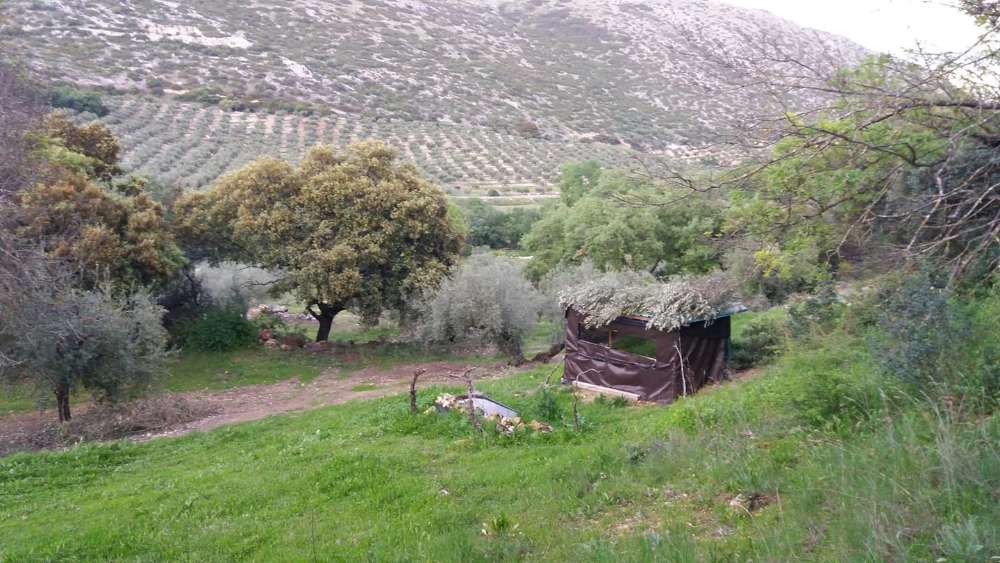
The countryside, olive groves, and agricultural areas offer excellent opportunities to observe species adapted to open spaces. Kestrels, harriers, kites, and buzzards use posts, isolated trees, field edges, and rural buildings as vantage points before swooping down on their prey. These landscapes are also some of the easiest places to begin observing birds of prey.
Wetlands, marshes, lagoons, and riverbanks also harbor many interesting species. Marsh harriers regularly patrol reedbeds and bodies of water, while kites, ospreys (at certain times of year), and other birds of prey may appear during migration. These areas also offer the advantage of combining the observation of birds of prey with sightings of herons, waders, flamingos, and other waterfowl.
Coastlines and migration routes take on special significance during spring and autumn. Thanks to its location between Europe and Africa, Andalusia becomes a natural corridor for thousands of soaring birds. The Strait of Gibraltar is the best-known example, where on favorable days large concentrations of birds of prey can be observed taking advantage of air currents to cross to one continent or the other.
Beyond simply knowing the species, one of the best skills any observer can develop is learning to interpret the landscape. An isolated post might reveal the presence of a kestrel; a sunny hillside often generates the thermal currents that vultures use to gain altitude; a cliff might conceal the territory of a pair of eagles; and an open countryside might become the perfect place to spot harriers or kites. Often, understanding the landscape is just as important as looking at the sky.
5. Best areas in Andalusia for observing birds of prey
Andalusia boasts some of the best areas in Spain for observing birds of prey. The choice of destination will depend on the time of year, the species you wish to observe, and the type of experience you are seeking. Following the migration of large soaring birds is quite different from exploring a dehesa (pastureland), the countryside, or a mountain range in search of the more common raptors.
Strait of Gibraltar and Tarifa
The Strait of Gibraltar is one of Europe's premier destinations for observing migratory birds. Its location between Europe and Africa makes this natural passage a vital corridor for thousands of birds of prey and storks crossing between the two continents. During spring and, especially, autumn, it's possible to witness spectacular migratory movements as they take advantage of the air currents.
Sierra de Grazalema and mountain ranges of Cádiz and Málaga
The limestone cliffs, mountains, and valleys of these ranges offer excellent conditions for observing griffon vultures, eagles, Egyptian vultures, peregrine falcons, and other birds of prey associated with rocky environments. Beyond their ornithological interest, these areas offer landscapes that make each day of birdwatching a particularly captivating experience.
Subbetic Mountains
The Subbetic Mountains combine cliffs, olive groves, open fields, and Mediterranean scrubland, creating a wide variety of habitats for birds of prey. Kestrels, vultures, eagles, and buzzards are among the species that can be found with relative ease. It is a highly recommended area for both novice birdwatchers and those interested in guided activities and nature interpretation outings.
Sierra Morena
Sierra Morena represents one of the great refuges of Mediterranean forest in Andalusia. Its extensive pastures, mountains, valleys, and rivers are home to some of the region's most emblematic birds of prey, including the Iberian imperial eagle, as well as vultures, kites, and other species associated with large, well-preserved areas.
Doñana and the Guadalquivir marshes
Although Doñana is often associated primarily with waterfowl, it also offers excellent opportunities for observing birds of prey. Marsh harriers, kites, ospreys at certain times of the year, and numerous species during migration find an ideal environment here thanks to the combination of marshes, wetlands, and wide open areas.
Cereal fields and agricultural landscapes
The vast inland countryside often goes unnoticed compared to more well-known areas, but it offers some of the best opportunities to observe kestrels, harriers, buzzards, and kites. Taking leisurely strolls along rural paths and paying attention to posts, field edges, isolated trees, or birds flying low over crops often provides excellent viewing opportunities.
Actually, the best places to observe birds of prey in Andalusia aren't always the most well-known. Often, the success of a day depends more on knowing the area, choosing the right time of year, and dedicating time to observation than on visiting a famous spot. A dehesa (pastureland), an olive grove, a mountain range, or a wetland can offer unforgettable moments when explored with patience and respect for the wildlife.
6. When is the best time to observe birds of prey in Andalusia
Birds of prey can be observed in Andalusia year-round, although each season offers different opportunities. The best time will depend on the species you want to look for, the type of landscape, and the behavior you wish to observe.
Spring is, for many birdwatchers, the most exciting season. Birds of prey become more active, numerous migratory species return from Africa, and the breeding season begins. It's the perfect time to look for booted eagles, short-toed snake eagles, black kites, Egyptian vultures, lesser kestrels, and other summer visitors. Furthermore, it's relatively common to observe territorial flights, courtship displays, and other behaviors associated with reproduction.
However, spring also demands a greater commitment to responsible observation. Many birds of prey are breeding or preparing their nests, so you should never attempt to access cliffs, nesting trees, or sensitive areas. The best option is to always maintain a safe distance and use binoculars or a telescope to enjoy the observation without causing disturbance.
Summer continues to offer excellent opportunities, although the high temperatures require more careful planning of outings. Early morning and late afternoon are typically the busiest times. During these months, it's possible to observe young birds taking their first flights, alongside species such as kestrels, booted eagles, short-toed eagles, vultures, and kites. The dehesa (pastureland), mountain ranges, and water sources are often particularly interesting locations.
Autumn transforms Andalusia into one of Europe's major migratory bird destinations. Thousands of birds of prey cross to Africa, taking advantage of the air currents, especially around the Strait of Gibraltar. It's an excellent time to observe kites, European honey buzzards, booted eagles, short-toed eagles, griffon vultures, harriers, and many other species in flight.
Winter offers a more peaceful and enjoyable birdwatching experience thanks to the mild temperatures across much of Andalusia. It's an excellent time to spot red kites, common buzzards, common kestrels, marsh harriers, and other birds of prey that inhabit pastures, fields, and wetlands during this season.
Beyond the season, the time of day also influences the chances of observation. Early in the morning, it's common to spot movements and hunting activity. As the ground warms up, vultures, eagles, and other large soaring birds use the rising air to gain altitude with minimal effort. In contrast, days with persistent rain or very strong winds tend to significantly reduce visible activity.
In short, spring and autumn generally offer the best opportunities for observing birds of prey in Andalusia, although each season has its own unique appeal. Choosing the right time, understanding the behavior of the species, and adapting your outing to the day's conditions often makes a much bigger difference than the time of year alone.
7. Tips for observing birds of prey without disturbing them
Observing birds of prey in Andalusia can be an unforgettable experience, but it should always be done with respect. Many species are particularly sensitive to disturbance, especially during the breeding season, when they use cliffs, trees, rocky outcrops, or other quiet areas to nest. The priority should always be ensuring that our presence does not alter their behavior.
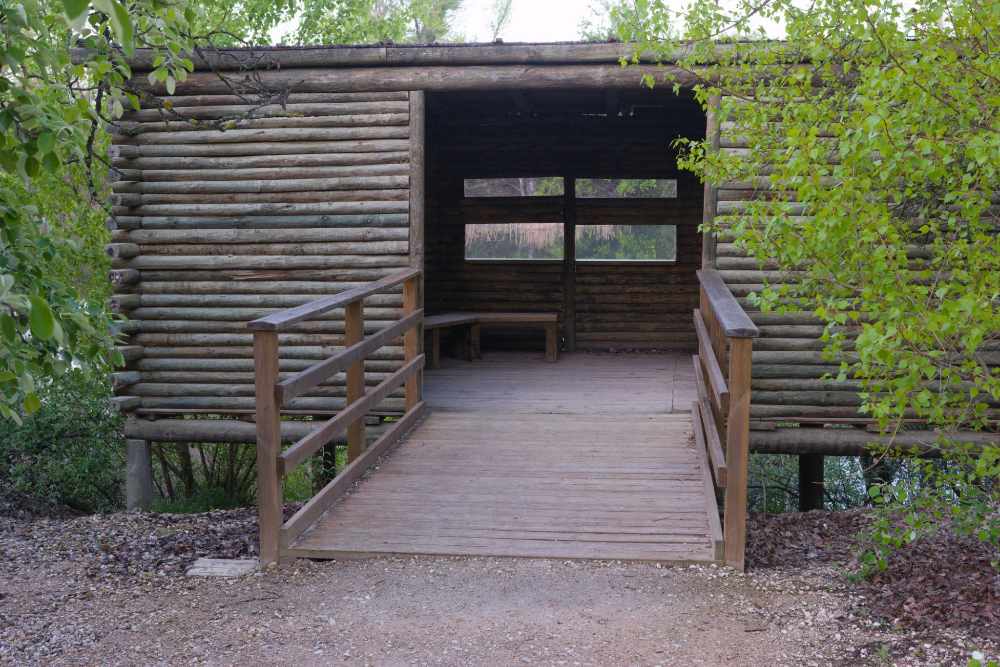
The first piece of advice is to keep a safe distance. To enjoy these birds, it's not necessary to get too close; often they are best observed from a lookout point, an authorized trail, or a high vantage point with good visibility. Binoculars or a telescope allow you to appreciate all the details without intruding on their space.
It is also crucial to avoid approaching nests, breeding dens, or regular perches. While this may seem like a good opportunity to observe or photograph a species, an inappropriate approach can cause stress, temporary abandonment of the nest, or leave eggs and chicks more vulnerable to predators or harsh environmental conditions. If a raptor shows signs of alarm, makes persistent flights around an area, or clearly changes its behavior, the most responsible course of action is to calmly move away.
Whenever possible, it's best to stay on marked paths, authorized trails, observation points, or viewpoints. Besides avoiding disturbing wildlife, this also helps respect regulations for natural areas, private property, and the work of those who manage and conserve these places.
Another important aspect is to avoid using decoys, bait, or any practice intended to attract birds. Raptor observation should be based on observing their natural behavior, without disturbing their feeding, movements, or routines. Patience and the ability to interpret the landscape always yield better results than trying to force an encounter.
Indeed, patience is one of the best qualities any observer can possess. Many birds of prey appear for only a few seconds, soar at great heights, or perch in inconspicuous locations. Learning to recognize their silhouettes, their flight patterns, and the habitats they frequent is often far more useful than trying to get close at all costs.
In addition to these recommendations, it is advisable to follow the principles of AEFONA Code of Ethics (Spanish Association of Nature Photographers), widely used as a reference for wildlife observation and photography. Among its principles, it emphasizes always prioritizing the well-being of animals in any photograph or sighting, respecting sensitive areas, and avoiding any action that could alter the behavior of the species.
Observing birds of prey responsibly means respecting their pace and always maintaining a respectful distance. When this is done, the experience becomes much more authentic and rewarding. The thrill of seeing an eagle, a vulture, or a kestrel in the wild is even greater when we know that our presence has gone completely unnoticed by them.
8. How to recognize birds of prey in flight: simple keys for beginners
Recognizing birds of prey in flight may seem complicated at first, but you don't need to identify every species on your first outing. The most helpful approach is to learn to look for a few key features: size, silhouette, wing shape, tail, flight pattern, and habitat.
Size offers a very useful initial reference point. A large bird of prey soaring over a mountain range doesn't make the same impression as a small falcon hunting over a field. Vultures and large eagles are notable for their broad wings and their ability to take advantage of thermal currents, while kestrels, falcons, and other smaller birds of prey exhibit a faster and more agile flight.
Silhouette is another key indicator. Vultures have long, broad wings, ideal for gliding for extended periods. Eagles have a more robust and compact appearance. Kites are notable for their distinctive forked tails, while harriers typically fly low over fields and wetlands, gliding smoothly and steadily.
The tail also helps resolve many doubts. In the red kite and the black kite, the forked shape is very evident even from a considerable distance. In other species, the length or shape of the tail can be a good aid in differentiating birds of prey with similar silhouettes.
Observing flight patterns provides valuable information. Vultures and eagles typically circle widely as they gain altitude using thermals. The common kestrel, on the other hand, can hover rapidly, beating its wings before swooping down on prey. Harriers patrol at low altitudes over crops, marshes, or reedbeds, following long and very regular routes.
The location where the raptor appears also offers important clues. A rocky cliff may indicate the presence of vultures, eagles, or peregrine falcons. In fields and olive groves, it is more common to find kestrels, kites, or buzzards, while in wetlands and marshes, the marsh harrier is often one of the most characteristic species.
A good tip for beginners is not to try to name every bird of prey right away. It's much more helpful to describe what you observe: whether it's large or small, whether its wings are broad or narrow, what its tail is like, whether it glides or flaps its wings frequently, and what kind of landscape it's flying over. Over time, these small observations will allow you to confidently identify more and more species.
Identifying birds of prey in flight is a skill that develops gradually. The more time you spend observing the sky, the easier it becomes to interpret the silhouettes, movements, and behavior of each species. Eventually, recognizing a bird of prey ceases to depend on memory and becomes a matter of observation and experience.
9. Birds of prey and birdwatching tourism in Andalusia
Birds of prey are one of the main attractions of birdwatching tourism in Andalusia. Their size, the elegance of their flight, and the opportunity to observe them in their natural habitat make each sighting an unforgettable experience. For many people, discovering an eagle soaring over a mountain range or a group of vultures taking advantage of thermal currents is one of the most special memories of a day in the countryside.
No prior experience is necessary to enjoy a raptor-watching excursion. Many species are relatively easy to spot when you know the type of landscape they frequent and learn to interpret their behavior. A kestrel hovering in the air, a kite traversing a field, or a buzzard patrolling a wetland are scenes that take on a very different meaning when we know what we are seeing.
That's one of the great attractions of birdwatching tourism: learning to read the landscape. A hillside, a cliff, a meadow, or a wetland cease to be merely a beautiful backdrop and become places full of clues. Perches, foraging areas, wind patterns, and migration routes help us understand much better how birds of prey use the territory.
Doing the activity with a specialized guide can further enrich the experience. In addition to knowing the best times and places for observation, a guide helps identify species, interpret behaviors, explain the ecology of each bird, and ensure that the activity is carried out respecting the wildlife and the rules of each natural area.
Raptor watching routes in Andalusia can be tailored to a wide range of interests: beginners in ornithology, families, groups of enthusiasts, nature photographers, or travelers who want to discover the region from a different perspective. The important thing is not to see the greatest number of species possible, but to enjoy the day, learn to observe, and gain a better understanding of the environment.
Birds of prey observation also has significant educational value. Each outing is an opportunity to discuss biodiversity, conservation, migration, food chains, agricultural landscapes, and ecological balance in a practical and engaging way. Therefore, this type of activity is particularly interesting for both nature tourism and environmental education programs.
Ultimately, birdwatching tourism is not simply about compiling a list of species. Its true value lies in learning to interpret the landscape, enjoying wildlife in its natural habitat, and gaining a deeper understanding of the importance of conserving the environments where they live. Andalusia offers a privileged setting to experience this in a responsible and environmentally conscious way.
10. Conclusion: Andalusia, a privileged place to discover birds of prey
Andalusia boasts exceptional conditions for observing birds of prey. The combination of mountain ranges, pastures, plains, wetlands, marshes, and vast natural spaces allows for the enjoyment of an extraordinary diversity of species throughout the year. From small kestrels to large eagles and vultures, each landscape offers different opportunities to discover the fascinating world of these birds.
Every outing to the countryside is different. Sometimes, simply stopping for a few minutes at a viewpoint is enough to see a vulture soaring on a thermal; other times, the reward comes after walking through a meadow or countryside, patiently observing the sky. Learning to interpret the landscape, recognize the silhouettes, and understand the behavior of birds of prey makes each observation a much more enriching experience.
Just as important as spotting a species is doing so responsibly. Maintaining a safe distance, respecting breeding areas, following the rules of natural spaces, and avoiding any behavior that could disturb the wildlife are essential for enjoying these birds without harming them.
Ultimately, observing birds of prey in Andalusia is a unique way to discover the region. It's not just about identifying species, but about learning to read the landscape, understanding how these birds live, and enjoying nature with a more attentive and respectful eye. This combination of knowledge, patience, and respect is what transforms each outing into a truly memorable experience.
Frequently asked questions about birds of prey in Andalusia
What birds of prey can be observed in Andalusia?
Andalusia is home to a great diversity of birds of prey throughout the year. Among the best-known species are the Iberian imperial eagle, the golden eagle, Bonelli's eagle, the griffon vulture, the Egyptian vulture, the black kite, the red kite, the short-toed snake eagle, the common kestrel, the lesser kestrel, and various harriers. The presence of each species depends on the time of year and the type of habitat.
What is the best time to observe birds of prey in Andalusia?
Spring and autumn are usually the best seasons. In spring, many migratory species return and the breeding season begins, while autumn coincides with the migration of thousands of birds between Europe and Africa. Even so, winter and summer also offer good opportunities to observe resident and seasonal birds of prey.
Where can you see birds of prey in Andalusia?
Birds of prey can be observed in mountain ranges, pastures, fields, olive groves, wetlands, marshes, and mountainous areas. Places like the Strait of Gibraltar, Sierra Morena, Sierra de Grazalema, the Sierras Subbéticas, and Doñana are some of the most outstanding locations for observing these birds.
Do you need experience to observe birds of prey?
No. Anyone can get started in raptor watching by learning to identify basic characteristics such as size, silhouette, wing shape, and flight pattern. With binoculars and a little patience, it's possible to enjoy observing many common species.
What equipment do I need to observe birds of prey?
The best thing to bring is a good pair of binoculars, comfortable clothing suitable for the outdoors, water, sun protection, and a bird identification guide or app. A spotting scope can be very useful for observing distant birds without getting too close.
How to observe birds of prey without disturbing them?
The best way to observe birds of prey is to always maintain a safe distance, use binoculars or a telescope, and stay on authorized roads, viewpoints, or trails. Never approach nests or breeding areas, and never use calls or bait to attract the birds.
Which birds of prey are easiest for a beginner to identify?
The common kestrel, the griffon vulture, the black kite, the red kite, and the common buzzard are often some of the easiest species to recognize thanks to their size, silhouette, or flight behavior.
Is it advisable to take a guided tour to observe birds of prey?
Yes. A guided tour makes it easier to identify species, helps interpret bird behavior, and allows you to discover the best observation spots without disturbing the wildlife. Furthermore, it's a safe and enriching way to get started in birdwatching tourism.
Do you want to discover the birds of prey of Andalusia with a guided tour?
Watching an eagle soaring over a mountain range, following the flight of a kite over a meadow, or contemplating a group of vultures gliding are experiences that are much more enjoyable when you know the environment and know how to interpret what is happening around you.
At Explora Natura we organize guided birdwatching tours in Andalusia for people who want to get started in bird tourism or deepen their knowledge of birds of prey and other groups of birds.
We adapt each outing to the time of year, the most active species, and the experience level of the participants.
Each activity is designed to enjoy nature in a calm and respectful way, learning to identify species, interpret their behavior and observe the fauna without causing them any disturbance.
All our routes are developed in small groups and with a responsible observation approach, always adapting to the time of year and the behavior of the species.

Antonio Pestana
Antonio Jesús Pestana Salido (Cabra, Córdoba, 1970) is an Andalusian ornithologist and nature photographer, specializing in birds and the interpretation of the Mediterranean landscape. From childhood, he has been involved in the study and observation of wildlife, and has spent decades exploring the natural areas of Andalusia, especially the Subbética region of Córdoba.
He is a nationally awarded nature photographer, winner of the first prize in the Carl Zeiss nature photography competition (4th edition) with a digiscoping image of a common crossbill, in addition to other recognitions in specialized bird photography competitions.
As a field ornithologist, he has participated in bird monitoring and conservation projects, especially for birds of prey and steppe birds, and has served as provincial coordinator in Córdoba for the Montagu's and hen harrier censuses. He is also president of the Abanto naturalist association, dedicated to the dissemination and conservation of natural heritage.
He is the author of several books on Iberian fauna and popular culture published by specialized publishers, including "Iberian birds in popular culture" and "Iberian diurnal birds of prey in popular culture," works that compile proverbs, beliefs and traditions related to birds in popular culture.
In addition to his work as an author and photographer, he develops outreach and environmental education activities, leading nature outings, giving bird photography workshops and collaborating with educational centers, associations and nature tourism projects.
She regularly works with schools, designing wildlife observation activities adapted for primary and secondary school students. She also collaborates with companies and associations on birdwatching tours, teaches nature photography courses, and participates in the design of natural areas.