

1. Andalusia, a privileged destination for bird watching all year round
There are few places in Spain where, in less than an hour, you can go from observing flamingos in a lagoon to searching for eagles in a mountain range or exploring a pastureland teeming with small woodland birds. This variety of landscapes makes Andalusia one of the best destinations in the country for birdwatching at any time of year.
This diversity makes the region attractive to both beginners in birdwatching and enthusiasts looking for specific species, large concentrations of waterfowl, or days focused on the migration of birds of prey.
There's no single perfect time to go out into the countryside. Spring is notable for its birdsong, courtship displays, and the arrival of migratory birds. Autumn allows you to witness one of the great natural movements between Europe and Africa. In winter, wetlands, meadows, and agricultural areas welcome numerous species from the north. Even summer offers good opportunities, provided you choose the early morning or late evening.
Therefore, the best time for birdwatching in Andalusia depends on what you're looking for and the type of outing you have in mind. A family-friendly introductory walk doesn't require the same planning as a day spent observing waterfowl, migratory birds of prey, or species tied to a specific habitat.
Throughout this article we will see what each season offers, what birds can be observed and how to prepare a comfortable, respectful birdwatching outing adapted to the experience of the group.
2. What is the best time of year for birdwatching in Andalusia?
There isn't one single best time for birdwatching in Andalusia. It all depends on the species you want to see and the type of experience you're looking for. The advantage of this region is that it offers opportunities year-round thanks to its diverse landscapes and its location on migratory routes between Europe and Africa.
Spring is usually the most vibrant season. Many species return from Africa to breed, and the countryside is teeming with activity: songs, courtship displays, nest building, and constant flight make it a particularly attractive time for those new to birdwatching.
Autumn offers a different spectacle. It's the season of post-nuptial migration, and thousands of birds cross Andalusia on their way to the African continent. Birds of prey, storks, and numerous soaring species make places like the Strait of Gibraltar one of the best spots in Europe to witness this phenomenon.
During the winter, wetlands, marshes, lagoons, and meadows welcome thousands of birds from northern and central Europe. It's an ideal season for observing waterfowl and wintering birds in peace and quiet, as well as enjoying much milder temperatures than in other parts of Spain.
Summer requires adapting outings to the heat, but it remains a good time to observe summer birds, birds of prey, and species typical of agricultural areas, riverbanks, and open spaces. Early mornings or evenings allow you to enjoy a great deal of activity around water sources.
Each season offers a different way to discover the rich birdlife of Andalusia. Spring is notable for breeding, autumn for migration, winter for the arrival of wintering species, and summer for observing summering birds under suitable conditions.
3. Birdwatching in spring in Andalusia
Spring is, for many birdwatchers, the best time of year for birdwatching in Andalusia. With rising temperatures and a surge of activity in the countryside, it becomes much easier to see and hear a wide variety of species during their breeding season.
During these months, numerous migratory birds return from Africa to breed on the Iberian Peninsula. Bee-eaters, swallows, swifts, booted eagles, short-toed eagles, and Egyptian vultures once again occupy fields, riverbanks, pastures, and mountain ranges, offering scenes difficult to find at other times of the year.
One of the greatest attractions of spring is bird behavior. Birds sing constantly, courtship displays take place, and many species defend their territory or carry food back to their nests. Even without seeing them, it's possible to spot numerous birds simply by paying attention to the sounds around you during an early morning walk.
Precisely because we are in the middle of the breeding season, it is important to show the utmost respect for wildlife. Maintaining a safe distance, not approaching nests, avoiding the use of calls, and staying on marked trails helps birds complete their reproductive cycle undisturbed.
Spring also offers the opportunity to explore very different landscapes in a single day. The mountain ranges are ideal for spotting birds of prey and woodland birds; the meadows and countryside are home to numerous species linked to agriculture; riverbanks attract insectivorous birds, and wetlands maintain a high level of waterfowl activity.
If this is your first time birdwatching, you'll be hard-pressed to find a more rewarding season. The temperatures are usually pleasant, the activity is constant, and the diversity of species means that each outing offers new opportunities for learning and observation.
4. Birdwatching in summer in Andalusia
Although summer isn't usually considered the most comfortable season for birdwatching, it still offers excellent opportunities if the outing is properly planned. High temperatures require adjusting the schedule, but many species are highly active during the early morning and late afternoon.
It is during these times that it is easiest to spot bee-eaters, hoopoes, swallows, swifts, storks, kestrels, booted eagles, or short-toed snake eagles. Farmland, pastures, olive groves, riverbanks, and rural areas remain very active habitats, especially near water sources.
At this time of year, ponds, reservoirs, lagoons, and streams are the hubs of bird activity. Many birds come to drink or cool off, increasing the chances of making interesting observations from a safe distance without having to travel long distances.
If you're out with family or children, it's best to choose short, leisurely routes, bring plenty of water, protect yourself from the sun, and avoid the midday hours. A one-hour hike at dawn is often much more pleasant and productive than a long walk in the heat.
Summer also invites us to pay attention to the birds closest to us, those that often go unnoticed because they are so commonplace. Following the flight of a kestrel as it hunts, observing the comings and goings of swifts above a village, or discovering a hoopoe foraging on a path is just as interesting as searching for rarer species.
With the right timing, summer also allows for excellent observations in Andalusia.
5. Birdwatching in autumn in Andalusia
Autumn is one of the most anticipated times of year for birdwatchers. After the breeding season, thousands of birds begin their journey to Africa, and Andalusia becomes one of the continent's main migratory corridors.
During these weeks, it's possible to observe the passage of birds of prey, storks, kites, European honey buzzards, booted eagles, short-toed eagles, and many other species that take advantage of the weather conditions to continue their journey. The intensity of the migration varies from day to day, so each outing offers a different experience.
The Strait of Gibraltar is the prime location to witness this phenomenon. Its position between Europe and Africa concentrates some of the continent's most spectacular migratory movements, especially of soaring birds that use thermal currents to cross with minimal effort.
However, migration is not limited to the Strait. Wetlands, marshes, lagoons, reservoirs, countryside, and coastal areas throughout Andalusia also receive numerous species that stop to rest and feed before continuing their journey.
Besides its birdwatching appeal, autumn offers very pleasant conditions for getting out into nature. Temperatures are milder, the light changes compared to summer, and it's more comfortable to take long walks or spend several hours observing from a viewpoint.
The migration changes from day to day. Wind, weather, and the time of year all influence the intensity of the passage, so knowing the area well or having a specialized guide helps you make the most of the day.
For those who want to experience one of nature's great spectacles, autumn transforms Andalusia into a destination that is hard to beat for birdwatching.
6. Birdwatching in winter in Andalusia
Although many people associate birdwatching with spring, winter is one of the most interesting seasons to discover the rich birdlife of Andalusia. With the arrival of cold weather in northern Europe, thousands of birds find a place to feed and spend the season in the wetlands, marshes, lagoons, reservoirs, and pastures of Andalusia.
This is the ideal time to observe large concentrations of waterfowl such as flamingos, spoonbills, herons, mallards, teals, pochards, and various shorebird species. In many wetlands, it's possible to see dozens of species in a single day, making this season an excellent option for both beginners and more experienced birdwatchers.
Open fields and pastures also take center stage. Cranes, lapwings, pipits, wagtails, and large flocks of starlings are part of the winter landscape and offer particularly striking scenes at dawn and dusk.
In Andalusia, winter has another advantage: temperatures are usually much milder than in other Spanish regions. This allows for comfortable outings for much of the day and enjoyment of light that is highly valued by nature photographers.
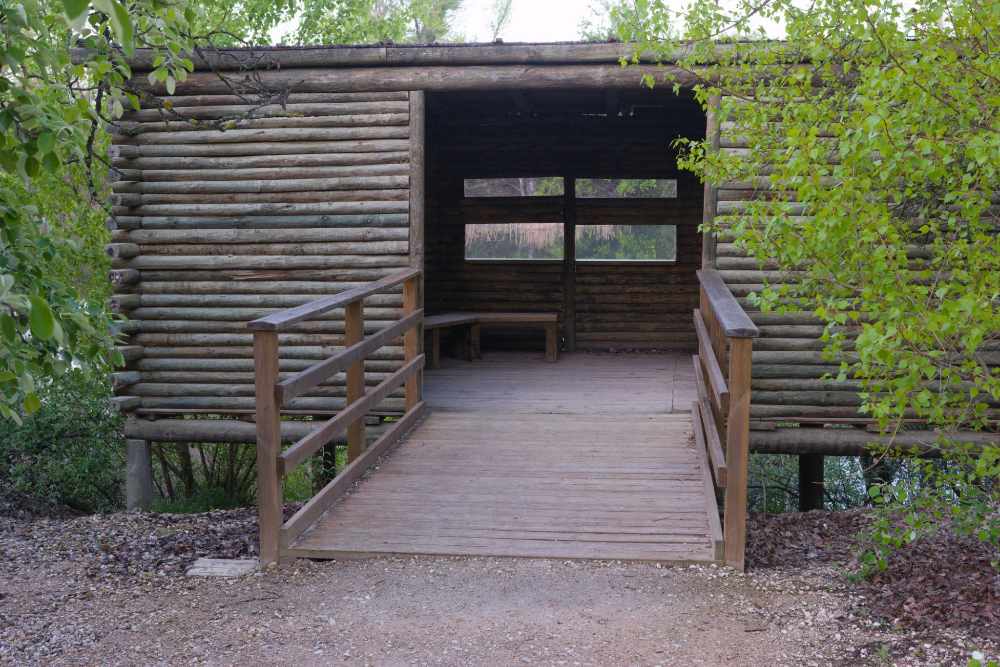
The pace of observation also changes. Instead of traveling long distances, many observatories and viewpoints allow you to stay in one place while the birds go about their activities undisturbed. It's a way to enjoy nature at a leisurely pace and learn to identify species, behaviors, and differences between similar birds.
As always, observation should be done respectfully. Keeping your distance, avoiding unnecessary noise, and staying on designated routes helps birds rest and feed undisturbed during a period that is especially important for their survival.
For those seeking a more relaxed experience and the opportunity to observe a large number of birds in relatively small spaces, winter is one of the best times to enjoy birdwatching in Andalusia.
7. What birds can be observed in Andalusia depending on the season?
Each season offers a different combination of species and behaviors. Understanding these changes helps you choose the best time to go out and know what kind of wildlife you can expect.
Birds that can be observed in spring
In spring, many migratory birds return from Africa, and the breeding season begins. It's an excellent time to observe bee-eaters, swallows, swifts, Egyptian vultures, booted eagles, short-toed snake eagles, nightingales, golden orioles, and numerous songbirds, especially in mountain ranges, pastures, fields, olive groves, and riverbanks.
Birds that can be observed in summer
In summer, summer birds continue to be the main attraction. Whether you get up early or take advantage of the last hours of the afternoon, you can observe hoopoes, bee-eaters, storks, cattle egrets, kestrels, and other species associated with crops, rural areas, and water sources.
Birds that can be observed in autumn
In autumn, attention focuses on migration. Birds of prey, storks, kites, European honey buzzards, waders, and many other birds cross Andalusia on their way to Africa. Although the Strait of Gibraltar is the most well-known location, these movements can also be observed in wetlands, marshes, and other natural corridors throughout the region.
Birds that can be observed in winter
During the winter, wetlands and meadows reach one of their peak birdlife periods. Flamingos, spoonbills, herons, teals, pochards, cranes, lapwings, pipits, and other wintering species find refuge here until the arrival of spring.
Rather than looking for a single best time, it's worth considering which birds or what kind of experience you want to have. Andalusia offers opportunities year-round, and each season allows you to discover a different facet of its extraordinary biodiversity.
8. Tips for planning a birdwatching trip in Andalusia
Good planning is key to enjoying a much more enriching outing. You don't need a lot of equipment or to travel long distances, but it is advisable to adapt the activity to the time of year, the chosen location, and the experience of those participating.
Choose the setting according to the time of year
In spring, the mountains, meadows, riverbanks, and countryside are prime locations for intense breeding activity. In summer, it's best to seek out short routes, shady areas, and water sources. Autumn invites you to visit wetlands, coastlines, and migratory stopover areas, while winter is perfect for exploring marshes, lagoons, reservoirs, and meadows, where numerous wintering birds congregate.
Choose the time wisely
During spring and summer, the early morning and late afternoon are usually the most active times. In winter, however, the middle of the day offers more pleasant temperatures and good lighting for observing and identifying species.
Prepare the basic materials
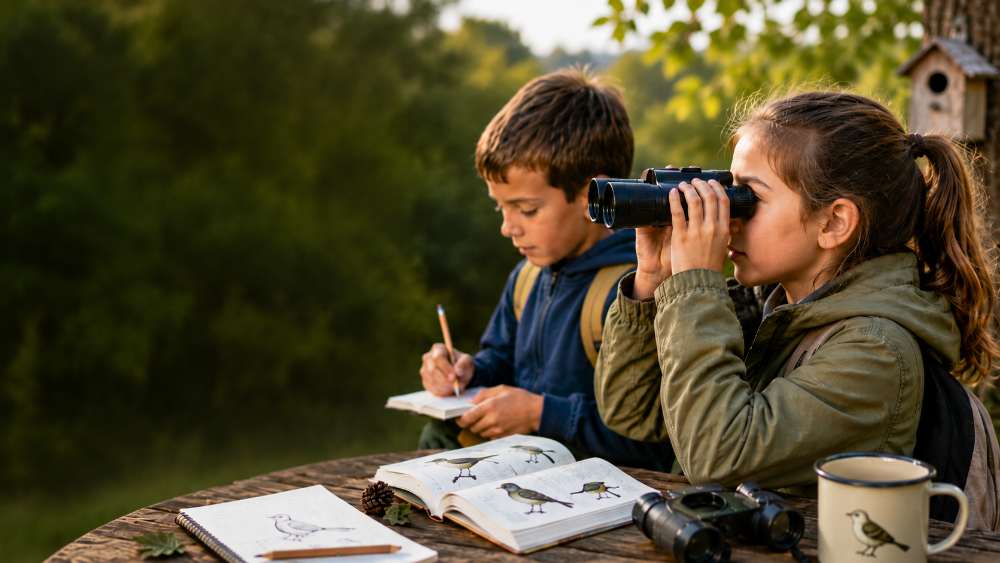
All you need is binoculars, comfortable clothing and shoes, water, sunscreen, and, if possible, a bird guide or identification app. If you're doing the activity with children or in an educational setting, bringing a field notebook makes the experience much more engaging and enjoyable.
Observe without disturbing
Just as important as observing is doing so respectfully. Maintaining distance, not approaching nests, avoiding the use of calls, and staying on designated trails all help reduce disturbance to wildlife and ensure a responsible experience.
Enjoy more than just a list of species
Not all outings offer the same number of bird sightings. Weather, wind, time of year, and even the chosen time of day influence bird behavior. Enjoying the scenery, learning to interpret sounds, and discovering tracks or behaviors are all part of the experience, even if the number of species observed is lower than expected.
Consider taking the trip with a specialized guide.
For beginners, going out with a specialized guide is especially helpful. Besides making it easier to identify species, they help interpret their behavior, choose the best observation spots, and adapt the route to the group's level and interests.
With good planning and a respectful attitude towards the environment, any time of year offers excellent opportunities to discover the extraordinary diversity of birds that Andalusia is home to.
9. Conclusion: each season offers a different way to discover the birds of Andalusia
Andalusia is one of those destinations you can always return to with binoculars. Throughout the year, the species, landscapes, and behavior of the birds change, so each season offers a different experience.
Spring is notable for its breeding activity and the arrival of migratory birds. Summer, with good planning, allows visitors to enjoy summering species and the activity that gathers around water sources. Autumn transforms the region into a prime location for observing migration between Europe and Africa, while winter fills wetlands, marshes, and meadows with birds from the north of the continent.
Therefore, rather than asking when the best time is to go birdwatching in Andalusia, it's worth considering what kind of experience you want to have. A family outing, a day focused on migration, observing waterfowl, or a route to discover birds of prey offer very different experiences, and each has its best time.
Whichever season you choose, the key is to observe calmly and respectfully. Keeping your distance, avoiding disturbing the wildlife, and enjoying the surroundings at a leisurely pace allows you to much better appreciate the natural richness that Andalusia offers.
If you haven't yet experienced a birdwatching excursion, any time of year is a great time to start. The important thing isn't just the number of species you see, but learning to see the landscape with fresh eyes and discovering everything that's happening around you.
Would you like to discover the birds of Andalusia with a specialized guide?
Each season offers different opportunities, and choosing the right place and time is key to enjoying a much more enriching outing.
In Explore Nature We organize guided birdwatching tours adapted to families, educational centers, associations and small groups who want to learn about Andalusian birds in a close, educational and environmentally respectful way.
Before suggesting a route, we consider the time of year, the group's skill level, and the species typically seen at that time. This allows us to design a more enriching experience tailored to your interests.
Whether you're looking for a first taste of birdwatching or want to focus on migration, waterfowl, or birds of prey, we'll prepare a route designed to help you make the most of the experience.
Get in touch with us and we will help you choose the most suitable route and time to enjoy bird watching in Andalusia.